
It is a field that goes far beyond simple symptom control, aiming to improve the patient’s quality of life, especially when pain persists over time and is debilitating. Chronic pain, in fact, loses its function as an alarm bell and becomes a real disease that affects daily existence.
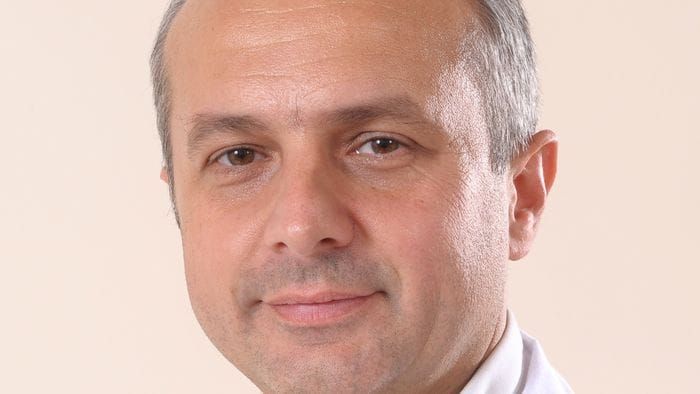
According to Dr Giambattista Villa, head of Pain Therapy at Humanitas Gavazzeni«pain medicine is not just a technique, it is a holistic approach that considers pain as a whole. We know that there is not a single therapy that is effective for everyone, but rather personalized paths for each patient.” This means that listening, taking a detailed medical history and making an accurate diagnosis are the first step in any treatment.
The first pain therapy visit has precisely this purpose: to analyze the intensity, location and type of pain to define the most appropriate treatment. During the visit, the specialist carries out an in-depth medical history and a physical examination to arrive at a diagnosis, which may also require laboratory or instrumental tests. Dr. Villa emphasizes that “persistent pain should not be overlooked, because it can lead to physical and psychological damage if not addressed adequately.”
The available therapies range from pharmacological ones, such as analgesics and anti-inflammatories, to more specific interventions such as infiltrations, minimally invasive techniques and procedures under radiological or ultrasound guidance. In the case of back painfor example, Dr. Villa explains that «non-invasive percutaneous procedures, for example with radiofrequencies, can significantly reduce persistent pain, using needles or small instruments to reach painful points and treat them with precision. This allows the patient, most of the time, to avoid surgery.”
Finally, interventional pain therapy is that which allows the significant reduction or total disappearance of pain, the reduction or suspension of painkillers and the improvement of the patient’s quality of life.
Another fundamental aspect of this type of treatment is the multidisciplinary approach, such as the support of the physiotherapist to the activity of the pain specialist. The aim is not only to reduce pain, but to help the patient resume daily activities with as little discomfort as possible.
Finally, interventional pain therapy is that which allows the significant reduction or total disappearance of pain, the reduction or suspension of painkillers and the improvement of the patient’s quality of life. «It is aimed above all at people who suffer from persistent pain that cannot be controlled by drugs – concludes Villa – at those who cannot undergo surgery or who complain of important side effects generated by the drugs taken».