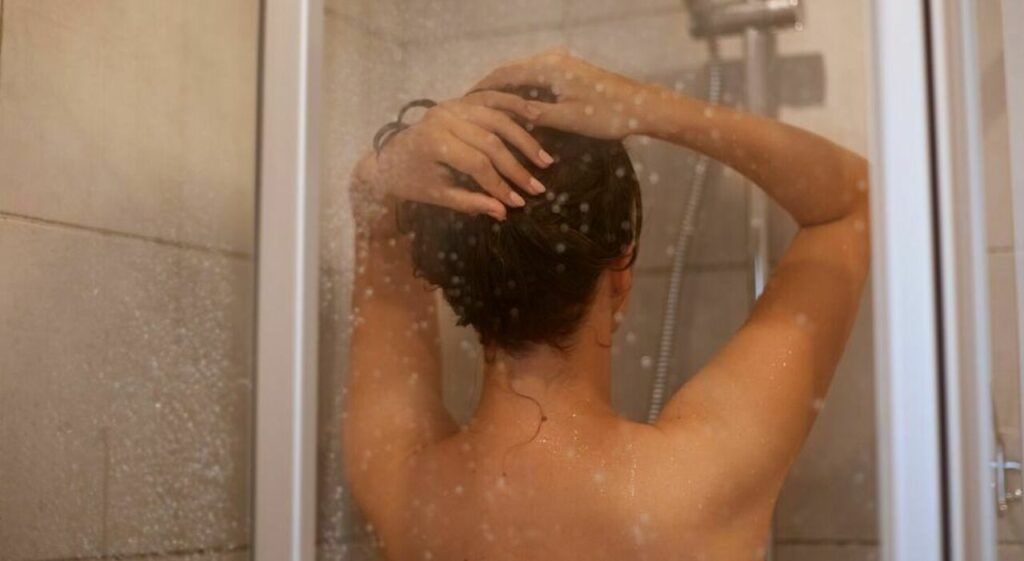
The world is divided between those who cannot start the day without a regenerating shower and those who would never conceive of slipping between the sheets without first having washed away the day’s dirt. But Which of the two habits is really the best for our health?
According to an analysis published by the BBC, which consulted experts in microbiology and dermatology, the answer is not so obvious and depends on a fine balance between skin hygiene, quality of sleep and cleanliness of the home environment.
What science says: bacteria, sweat and sheets
From a purely hygienic point of view, the evening shower would seem to win the comparison: it allows you to remove pollen, pollutants and sweat accumulated during the day, avoiding depositing them on the bed. However, the reality is more complex. Primrose Freestone, a microbiologist at the University of Leicester, explains to the BBC that even during a cool night the human body can produce up to a quarter of a liter of sweat and lose around 50 thousand epithelial cells.
This organic material becomes a real “buffet” for dust mites and bacteria such as staphylococcus, which, feeding on the sebum, produce the sulphurous compounds responsible for the bad smell.
As a result, those who shower in the evening will still wake up with a slight level of body odor in the morning. Experts also highlight a crucial point: the evening shower loses much of its benefits if you don’t regularly wash your sheets, where fungi and bacteria can survive for weeks, posing a risk especially for those suffering from asthma or allergies.
Benefits, between energetic awakening and quality of sleep
The choice between the two times of the day offers different advantages depending on individual needs. The morning shower is the ideal ally for those who struggle to wake up: the hot water helps you feel immediately fresh and ready to face the day, eliminating residues of night sweat.
On the other hand, science confirms that the evening shower can be a powerful tool for fighting insomnia. An analysis of 13 different studies showed that a warm shower or bath of about 10 minutes, taken one to two hours before bed, significantly reduces the time it takes to fall asleep. This happens because the artificial rise in body temperature, followed by the rapid cooling once out of the water, sends a circadian signal to the brain, telling the body that it’s time to prepare for rest. In summary, there is no absolute “correct choice”, but a strategic choice based on one’s lifestyle and sensitivity to allergens.
Last updated: Saturday 27 December 2025, 2.01pm
© ALL RIGHTS RESERVED