
Brigitte Bardot passed away on December 28, 2025, at 91 years old. Its name immediately evokes an era, a way of inhabiting the world, a silent revolution. An actress who embodied beauty and freedom, an icon of French cinema and a tireless soul of the animal rights cause, Bardot has built a legacy that goes far beyond myth: a legacy made of choices, contradictions and passions that still resonate in the present today.
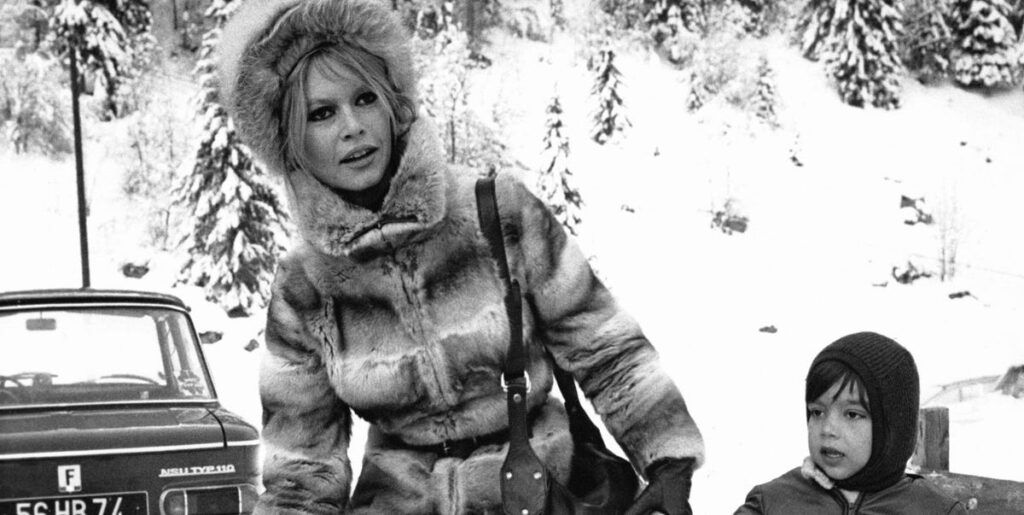
By 1960, Bardot had become the mother of Nicolas-Jacques Charrierborn from her marriage to Jacques Charrier. A never simple bond, marked by a distance that has never been filled. Nicolas-Jacques, once an adult, chose a life away from France and the spotlight, building his family: he father of Anna and Théathe two granddaughters who have always experienced their grandmother’s presence as a powerful and silent shadow.

Brigitte Bardot with Jacques Charrier and their son Nicolas-Jacques, then fourteen years old
Brigitte Bardot’s heritage and the knot of inheritance
Over the years, Bardot had put down on paper a precise desire: to allocate a large part of her assets to Brigitte Bardot Foundationthe organization he founded in 1986 to give voice and protection to those who never had one. For her, that choice was not a formal gesture: it was the continuation of a struggle, a way to transform her name into care, attention, protection.
Second the RepublicBardot had wanted her assets to serve to support the foundation’s activities, making her legacy a living tool for those who still silently face daily brutality today. But in France inheritance law has precise rules: there is a share of inheritance that by law must go to direct descendants. As, a part of Bardot’s estate must necessarily go to her son, Nicolas-Jacques Charriereven if the bond between them has never been easy.
The history of this legacy is therefore also the history of a delicate balance between public will and private law, between the ideal and the real.
How inheritance works in France
In the French legal system, a share of the estate (the hereditary reserve) must necessarily be reserved for children. The remaining part can be freely assigned through the will. This mechanism, designed to protect the family, creates a strong dialectic between what one wishes to leave and what is instead imposed by law.
In the case of Brigitte Bardot, it means that a part of the inheritance will go to the sonwhile the rest can be allocated to the foundation.
Estimated net worth and principal assets
Over the course of her life, the actress built a significant wealth, linked to her film performances, image rights, royalties from the films in which she starred, photographs and properties she owned, including the famous La Madraguein Saint-Tropez. According to estimates reported by the French media, the total value of his assets would be around 65 million dollars.
But in addition to material goods, there is an intangible heritage made up of that aura that still accompanies its name today, not just objects, but a piece of history that continues to cross time.
The future of the Brigitte Bardot Foundation
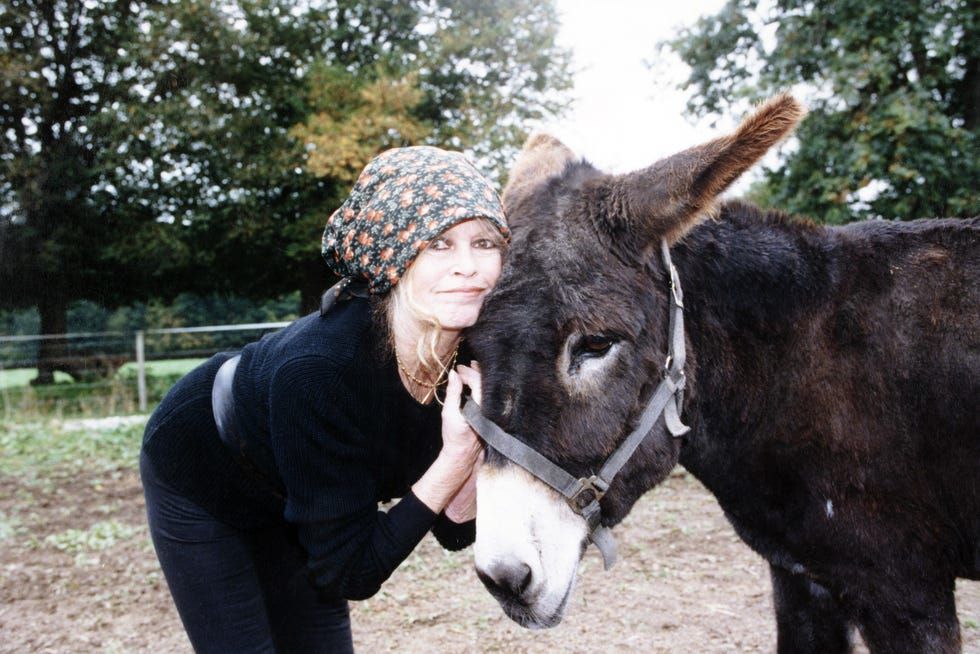
Founded nearly four decades ago, the Brigitte Bardot Foundation it became the moral and operational legacy that Bardot wished to leave to the world. In France and abroad, the organization deals with animal protection, reception in shelters, awareness campaigns and legal actions against practices detrimental to welfare.
After his death, as confirmed by the French press, the foundation will continue its commitmentkeeping the original spirit intact. It is not an abstract legacy: it is a concrete, rooted project that lives in the people who work every day to guarantee respect and care. For Bardot, this was the heart of it all.
Entrusting your assets to a greater cause is not just a testamentary issue: it is a political and moral act. For her, the true legacy lay not in what one owned, but in what one left behind, in the lives one could transform.
The stylistic legacy: a myth that continues
Beyond her foundation and assets, Bardot leaves an aesthetic imprint that continues to guide how we look at femininity and freedom. As he remembers Madame Figarohis style has spanned generations, inspiring figures such as Vanessa Paradis, Claudia Schiffer and Laetitia Casta.
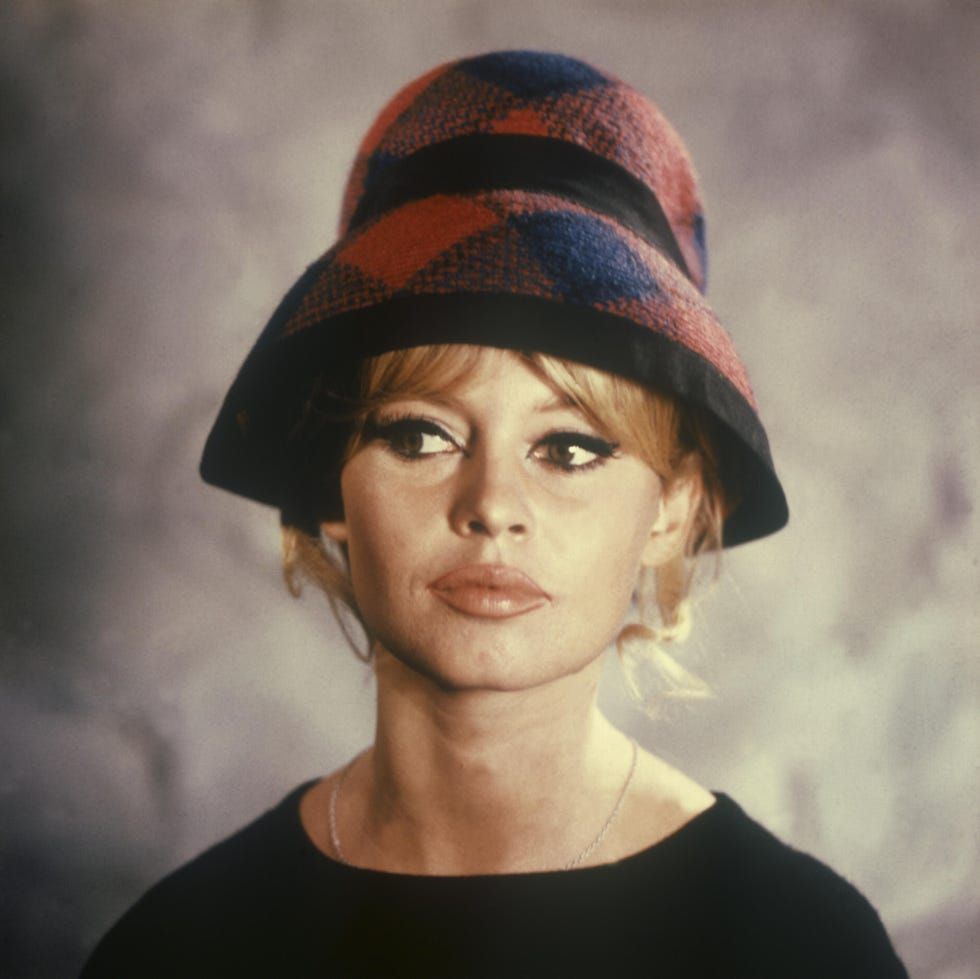
The loose hair, the natural sensuality, the rebellion against the imposed rules: Bardot made all this a language, a way of being that has never really disappeared. His influence lives in the images, in the gestures, in the references that continually return in cinema, in fashion, in pop culture.
Brigitte Bardot thus leaves a double legacy: a specific onemade up of goods to administer and causes to carry forward, e an immaterial onewhich survives in the gaze with which the world continues to talk about female beauty, freedom and disobedience.