
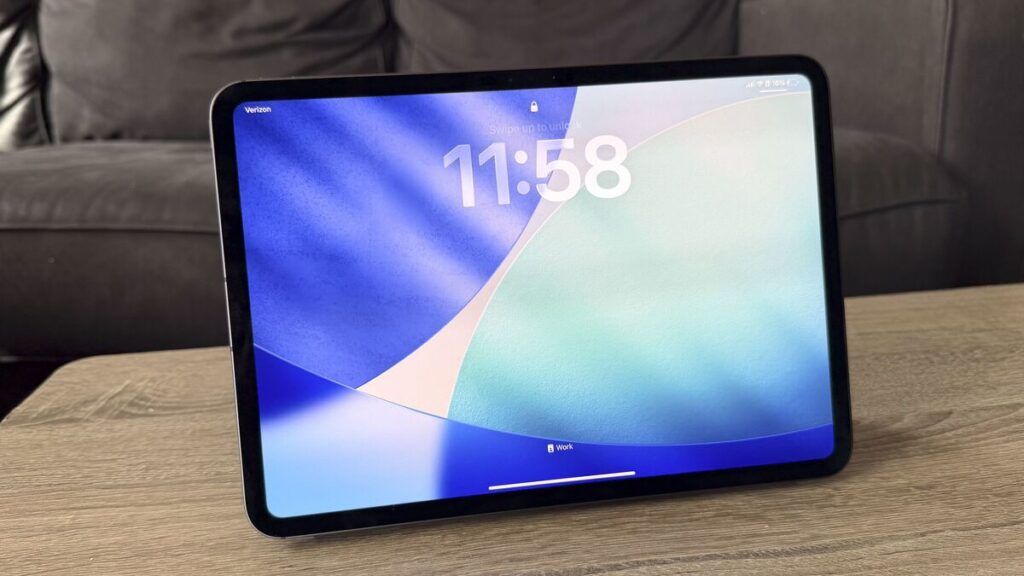
Internal updates for the 2026 iPad include more powerful chips, Apple Intelligence support, and mini OLED, while the iPad Pro remains unchanged until 2027.
Apple’s production cycles in the tablet sector maintain a regular rhythm and without sudden changes while the attention of the designers shifts from the search for new geometries towards the improvement of the internal components. The forecast for the iPad 2026 indicate the desire to maintain this stability, favoring the integration of faster processors and the adoption of newly designed screens to meet the needs of a now mature market. Information gathered from various sources indicates targeted updates to the specifications of the upcoming devices, with details on the models involved.
The future iPad 12 will probably debut during next year with the implementation of the chip A19the same module integrated into the iPhone 17 series, which guarantees a calculation speed 50% greater than the current version. The adoption of this processor will finally allow complete access to the AI functions of Apple Intelligencetransforming the entry-level model into a platform also suitable for running console-level video games. The economical variant of the catalog remains the preferred solution for the majority of users looking for a reliable product, especially within the educational sector where the cost set at 389 euro promotes diffusion among the student population. The technical equipment will also include the chip wireless N1the first component customized by the manufacturer to simultaneously manage Wi-Fi and Bluetooth with better energy efficiency, although the external design and the 60Hz LCD panel they will not undergo changes compared to the previous generation. The Touch ID sensor will retain its location in the power button, ensuring continuity for those who appreciate traditional biometric authentication systems while benefiting from a decidedly longer-lasting device thanks to the new processor.
The commercial positioning of iPad Air it is further consolidated as the tablet “sweet spot” of the range, offering most of the advanced technologies without reaching the high costs of the higher series. The transition to chip M4reported by recent rumors, will make the Apple tablet extremely competitive for those coming from very dated versions, while not introducing major changes for owners of the M3 series. Compatibility with Magic Keyboard and with the Apple Pencil Pro remains a strength in the user experience, as does native support for functions such as Stage Manager. Connectivity will benefit from the integration of modem C1 and the N1 wireless module, while the dimensions of the screens will remain anchored to the eleven and thirteen inch options with LCD technology without the absolute blacks typical of the iPad Pro models.
The most interesting transformation will most likely concern iPad mini 8which could abandon the historic LCD panel in favor of a display OLED produced by Samsung. The data released by Bloomberg suggest that organic diode technology will ensure superior brightness and optimized contrast through individual control of each individual pixel. The performance boost will be guaranteed by chip A19 Proinherited directly from the current iPhone 17 Pro, with an increase in processing speed estimated at around 30% compared to the A17 Pro processor. The rumors reported by the sources also mention the possible introduction of water resistancea new feature for the Apple tablet category, although the marketing date fluctuates between the end of 2026 and the beginning of 2027 due to the complexity of the supply chain.
The line iPad Pro will be less likely to undergo significant updates in the short term, considering that the recent launch of the models equipped with chip M5 shifts the time horizon for the new generation to spring 2027. The future iteration “Pro” will adopt the processor M6 and will introduce a system of vapor chamber coolingfollowing the thermal solutions used for the iPhone 17 Pro. The external design should not undergo noteworthy changes, given that the redesign which took place in 2024 has already set the aesthetic standards for the next production cycles.
Recommendations for consumers vary significantly based on the type of device desired and the state of preservation of the hardware currently owned. Those aiming for the entry-level model will benefit from waiting for the twelfth generation due to the generational leap guaranteed by the A19 chip, while the purchase of an iPad Air M3 remains sensible if advantageous commercial offers arise. Fans of the compact format may prefer to wait for the arrival of the OLED screen, while series-oriented users “Pro” there are no valid reasons to postpone the investment, given the absence of news expected for the next eighteen months.