It was the end of 2014 when on these pages we talked about the possible arrival of Netflix in Italy, which would then materialize the following year, marking a fundamental paradigm shift in the ways in which multimedia content is consumed. A revolution that has linear television has been cornered and which foreshadowed a farewell to piracy. The promise was in its simplicity: a platform entirely based on on-demand content, with instant access to thousands of contents by paying a monthly subscription, without waiting and without advertising.
At the gates of 2026, the situation seems to have gone back eleven years: the promise of “everything now” was kept, but there was no goodbye to piracy. On the contrary, too many subscriptions, ever-increasing prices, decreasing quality and fragmented catalogues they are fueling a real flashback.
Anatomy of a price increase
Let’s start with the data. THE’escalation of costs for subscriptions (Netflix apparently would like to increase prices further) is part of a complex global economic context: inflation has eroded purchasing power and families are forced to shift their attention elsewhere from streaming. She also added to this streaming inflation: just think of what has happened in Italy in recent years and what will happen in the coming months, when HBO Max will also be added to the boundless audience of subscriptions, which will coincide with the need to pay for another subscription to access its spectacular productions (currently on Sky).
The incremental, constant and punctual increaseswere often accompanied by the promise of “greater investments in content“, which in most cases have not yet shown their fruits (how many TV series really worthy of a subscription increase have you seen on the platforms in recent years?), and have led users to pay almost triple.
Starting from Disney+launched as the savior of families with a super aggressive price, which has seen its price constantly increase: at launch the Standard plan cost 6.99 euros, while now it costs 10.99 per month. At 6.99 euros, only the plan with advertising remains, which guarantees viewing on two devices simultaneously at 1080p and does not include the possibility of downloading content to watch it offline.

Il Netflix’s Standard Plan (Full HD without advertising) has reached 13.99 euros per monthcompared to the 9.99 euros requested for the same plan in October 2015, at the time of launch, while for the basic plan, which offered SD quality and viewing on one screen, 7.99 euros per month was enough. To this was also added the fee for extra users, which set aside that “Love is sharing a password” once praised by Netflix to push users to share the subscription, a practice that now has a monthly cost of 4.99 euros for each extra slot.
So what’s left as an alternative to save money on streaming? The platforms have introduced, in parallel with the farewell of low cost, i plans with advertisinga trend that has made its way in the two-year period that is about to end and which has sparked quite a bit of controversy. The strategy adopted was very simple: either you accept a view interrupted by advertising (still paying a monthly fee) or you have to switch to the Premium plan.

A strategy that evidently worked, as highlighted in a study by Simon Kucher according to which, in 2025, over 30% of Netflix and Disney+ subscribers are on ad-supported plans. Companies present this data in their quarterly reports as a “success“and one”consumer choice“.
The reality, however, is very different: the consumer has evidently been put in a position to accept advertising since the alternative has become economically unsustainable for many, who previously saw streaming as a pastime and for whom it has now become almost a luxury, despite the possibility of deactivating the subscription at any time.

Streaming, born as a “premium” alternative to generalist TV, has become exactly what it wanted to destroy: a sequence of commercials interrupted by films.
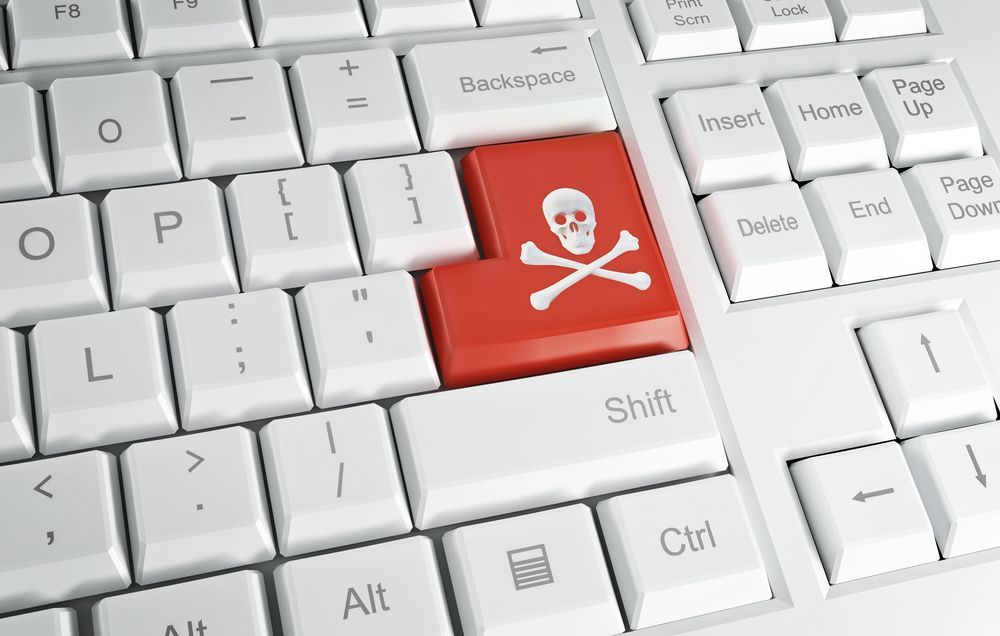
In short, this mix favored the return of piracy, a phenomenon that seemed to have been almost completely contained.
The return of piracy
This return to piracy is not an Italian phenomenon. This is certified by the global data of GOVERNMENTwhich in the data relating to 2024 (those for 2025 will probably only arrive in the first part of 2026, when the surveys for the current year will end) speak of an increase in piracy and a mutation. In particular, 216 billion visits to pirated sites were recorded and, although the reports also tell of a slight contraction, it is also necessary to emphasize how this phenomenon is changing.

The trend appears clear: instead of the old download systems peer-to-peer (as in the case of torrents, which had taken the place of eMule and other older systems), IPTVs are gaining momentummanaged by criminal organizations but which act as legitimate companies complete with technical assistance and guided interfaces, which allow streaming access to content.
On the contrary, the download remains the reference for “purist pirates” of video quality.
A crucial fact emerges from the MUSO report: the TV piracy remains the dominant category (45% of traffic)driven specifically by content like Anime, which suffers from chronic fragmentation and localization delays.
However, some analyzes have highlighted other trends. First of all, what has been dubbed Subscription Fatigue is occurring: 47% of global users believe they pay too much for streaming, and 41% believe the content offered is not worth the asking price.

Added to this is also fragmentation: the user wants to see that specific series, not subscribe to an entire catalog for a month. The absence of options pay-per-view (recently DAZN launched the option for the purchase of a single day) which allow you to watch only a single TV series could therefore play a role in this flashback towards piracy.
Looking to 2026therefore, the clouds on the horizon for the streaming giants could be even darker. In fact, a drop in subscribers could push platforms to further increase prices, to the detriment of those who choose to maintain their subscription. We will have to see what impact Netflix’s acquisition of Warner Bros Discovery will have on the long-term price, as will AI. In short, the feeling is that a true balance is far away and the platforms must take advantage of what happened in 2025.

The year that is about to end, in fact, should have taught us that the user has a limit and it has been exceeded: after years in which piracy seemed defeated, an effect seems to be on the horizon rebound due to continuous price increases and catalogs that increasingly favor number over quality.