Both techniques, if used correctly and by healthy subjects, they are not considered doping and they are currently legal».
Benefits and limitations in sports training
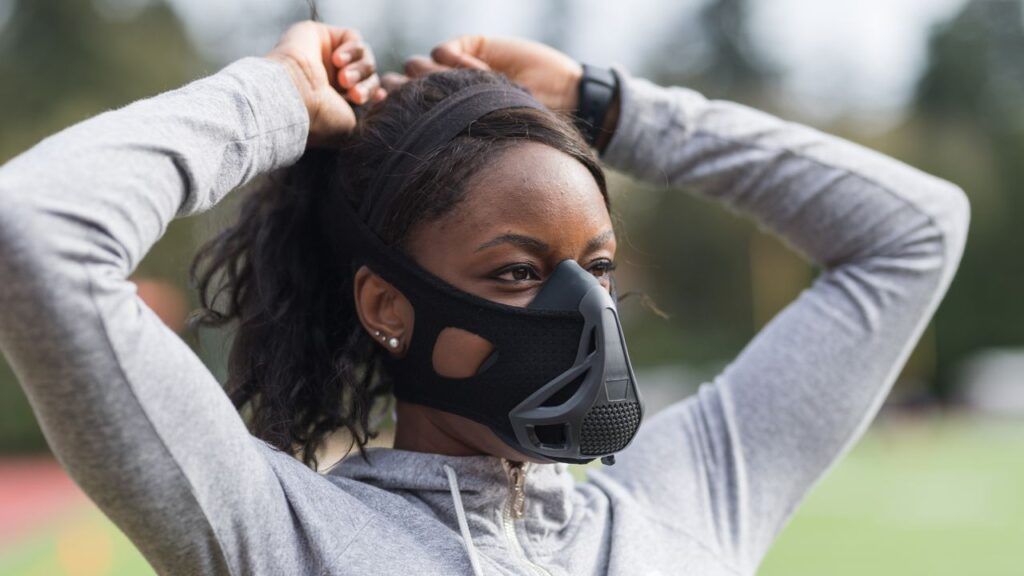
These practices – Morelli explained – have been used for decades in disciplines such as cycling, cross-country skiing, rowing and runningma they do not replace in any way traditional training. Their effects on performance are often limited and fall within the so-called marginal gainsthat is to say small improvements that can only make a difference at the highest level. In fact, it’s specific Gaetano Maria De Ferrari, Full Professor of Cardiology at the University of Turin e director of Cardiology of the City of Health of Turin «the phenomenon whereby at high altitudes the reduction in oxygen pressure stimulates the organism to adapt, increasing over time the production of red blood cells and hemoglobin, thus improving the oxygen transport capacity, is a mechanism that exists and is well documented, but requires hypoxia real and prolonged. With these masks, hypoxia, if present, it is minimal: we are talking about a reduction in oxygen saturation of 1-2%.”
For this reason, these tools are recommended almost exclusively for professional athletesaccustomed to working on minimal details and followed by qualified medical and technical staff. Even according to De Ferrari, the benefit can exist only in a minority of very specific cases: «In some subjects, especially in sports that require prolonged effortsthe limiting factor is not the heart, but the effort of respiratory muscles. In these cases strengthen them can reduce the feeling of breathlessness and respiratory discomfort.” The advantage, however, remains modest: «we are not talking about significant improvements in performance, but about that a little more which can only make a difference for very high level athletes or for people with particular respiratory muscle weakness.”
Risks associated with the use of the hypoxic mask
L’atleta swedese Sivert Guttorm Bakken (Photo by Kevin Voigt/GettyImages)
Kevin Voigt