
In summary
- Unlike traditional phones, foldables use plastic screens that are prone to scratches and warping.
- Since these risks are intrinsic to current technology, experts recommend adopting more careful usage habits and taking out specific protection plans or insurance to cover the high costs of display repairs.
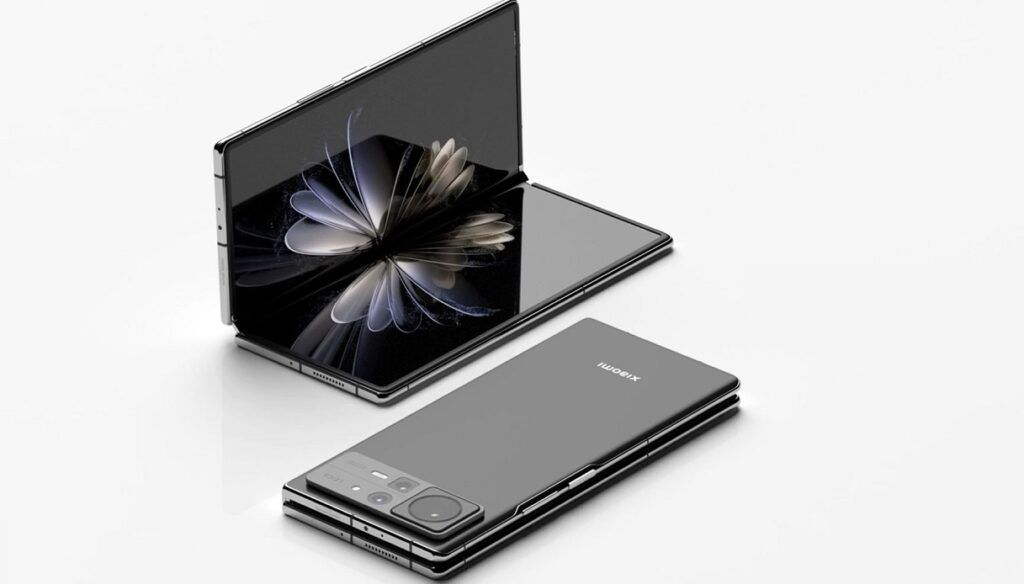
In recent years the foldable smartphones have become one of the most innovative segments in the mobile market, promising larger displays in a compact format. However, despite technological advances, many users and industry experts report that these devices face the problem of fragility which may occur with prolonged use.
Among the most common problems is the deterioration of folding surfacesespecially at the flex point of the internal screen, where mechanical wear is concentrated over time.
What are the main problems with foldable smartphones
Unlike the glass screens of “classic” phones, the panels of foldables are made of flexible plastic material which, of course, allows folding but makes the screen more susceptible to scratches e to daily wear. Each opening and closing subjects the display to continuous tension and relaxation, a mechanical cycle which, although designed to last hundreds of thousands of folds, introduces a weak point with plastic that can deform o scratch yourself more easily than traditional glass.
Another feature of foldables is the theoretical number of foldsindicated by the producers but which to date remains anything but reliable data. This value, in fact, does not take into account real variables of daily use such as the presence of micro-particles in the mechanism, the repeated curvature in different conditions or exposure to variable temperatures.
In practice, although many modern devices resist stress well, the bend point remains the most vulnerable section and, over time, it can show signs of stress that do not always correspond to a “sudden failure”, but to a progressive decrease in the visual and mechanical integrity of the screen.
In addition to natural mechanical wear and tear, other external elements can contribute to the deterioration of a foldable phone. Dust and debrisfor example, can penetrate the zipper and cause micro-abrasions o progressive jamming of the folding mechanism.
Keys, coins or other items in the pocket can scratch the plastic surfaceof thedisplay when the phone is closed. Furthermore, using the device in sandy, humid or very dusty places can increase the likelihood of accumulation of particles in the folding mechanism and on the screen.
These factors not only accelerate display wear, but can also affect the user’s visual and tactile experiencewith the appearance of permanent marks or superficial imperfections that in the long run become difficult to ignore.
How to solve these problems
Some of the causes of deterioration they cannot be eliminated completely with daily use, especially for those who use the smartphone in contexts where there is sand or micro-particles suspended in the air. Many experts, therefore, suggest consider protection plans o Device-specific insurance which can offer coverage against accidental damage or premature wear, reducing the financial impact of any repairs or replacement of the folding screen.
In conclusion we can say that foldable smartphones represent one of the most fascinating evolutions in smartphone design today, with clear advantages in terms of versatility of use and reduced size. However, the technology is not yet free from structural limitations linked to the very nature of the materials and folding mechanisms.
Users, therefore, must be aware of the implicit compromises and consequently adopt usage and protection habits that can extend the useful life of the device.