
In Avatar: Fire and Ash, James Cameron return to Pandora like a painter obsessed with his canvas, once again pushing cinematic technology beyond the limits of the possible and drawing the viewer into a visual epic that is, at least for long stretches, unparalleled in contemporary cinema. But this time the enchantment appears in tension with a narrative that is struggling to find a new form. A film that seems to oscillate between the titanic ardor of the author and a certain tiredness of the myth, as if the world he has built with such magnificence was now beginning to claim a complexity that can no longer be sustained solely by visual amazement
The plot
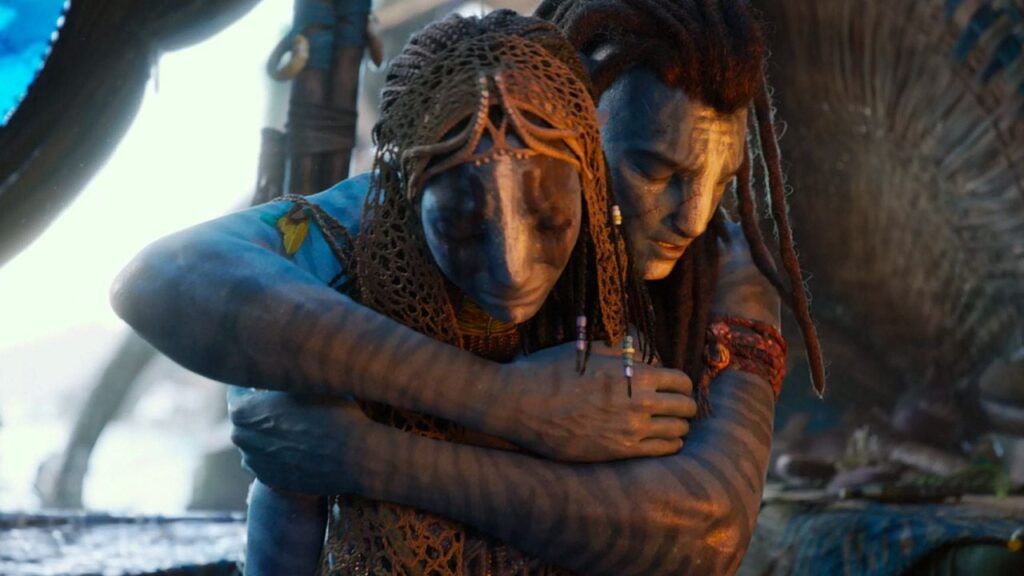
Avatar: Fire and Ash opens in mourning. Jake Sully e Neytirisurvivors of the devastation of their world, bear the scars of the loss of a generation in war. Cameron, with the usual ambition of an epic giant, here chooses more complex and subtle themes: the wound, the hatred and the broken faith of a people. Yet, as the narrative machine accelerates through battles and conflicts, the first cracks emerge: the structure of the story repeats the same trajectories already followed in previous films too many times. The heart of the film beats in the threat represented by the “Ash People“, a tribe transformed by pain into a community that embraces fire as the only truth. In this element lies the most interesting thematic nucleus of the work: a surreal meditation on destruction as an ontological act, on fire as a metaphor of broken faith. But despite this philosophical promise, the screenplay struggles to translate the ambition into a coherent narrative discourse and what remains is often a succession of spectacular moments rather than a true evolution of the Pandorian myth.
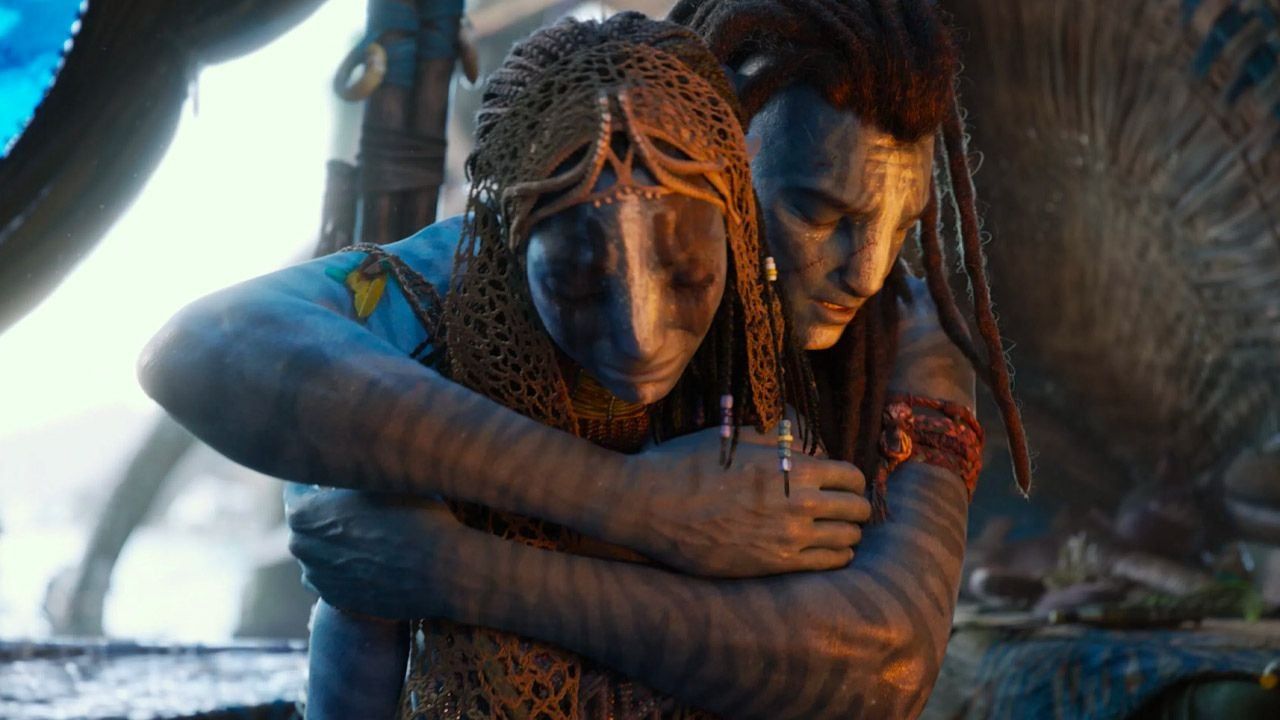
Sam Worthington and Zoe Saldana star in ‘Avatar: Fire and Ash’
Already traveled routes
Cameronmaster of visual and narrative symmetries, lingers once again on already traveled paths: the hunt of colonizing man, the technological invasion, the tension between nature as a sanctuary and as a battlefield. Avatar: Fire and Ash he seems to want to simultaneously expand and repeat his own mythology, like a bard telling a new story with the same old melodies. It could be said that it is a film that belongs to two worlds: on the one hand, the pinnacle of modern cinematic engineering, with images that challenge the human eye to distinguish the artificial from the living; on the other, a work in constant pursuit of a deeper meaning, pursued with ardor but rarely grasped. This paradox — the act of creating something ineffable with such deliberately tangible tools — is its great strength and at the same time its greatest fragility.
Pandora now too familiar
In the end, Avatar: Fire and Ash it is a work that impresses much more than it convinces. It’s a film that screams its importance at the top of its lungs, but whispers very little about it. Cameron invites us to be amazed again, but the real surprise this time is how familiar Pandora seems. Maybe too much. If the director really wants the saga to survive its shadow, he will have to subtract — not add. Prune instead of expand. Dare instead of recycling. For now, Fire and Ash it is an imposing monument but with foundations that are starting to creak under the weight of its own ambitions.