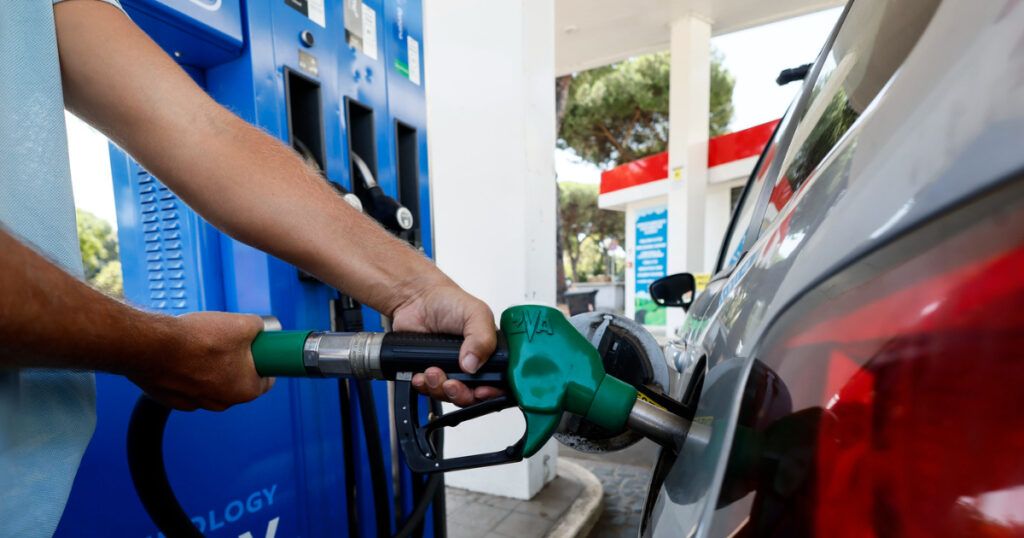
With the entry into force of the new Budget law, the announced provisions will take effect from 1 January realignment of excise duties. Which shifts the tax burden onto those traveling with cars diesel. Paragraph 129 of the maneuver provides for a decline of the rate on gas of 4.05 cents per liter and a mirror increase for that on diesel. The final calculation, however, does not stop at the excise duty: by adding theIvathe real impact on price lists will be around 5 cents per litre.
According to the calculations of Daily relaybased on current average prices, the ai hierarchy will be reversed distributors: diesel will skyrocket to 1.784 euros/litre, overtaking petrol which should be around 1.73 euros/litre. Despite Eni has reduced by one cent i prices recommended, the data from the Mimit price observatory (processed on approximately 20 thousand plants) show a market already in fibrillation.
To gasoline self it is around the national average of 1.683 euros/litre: the “white pumps” (the independent distributors) remain the only barrier with an average of 1.676 euros. As for the served, here i margins driving force: for petrol 1,827 euros per litre, which becomes 1,868 under the banners of the big companies. In the motorway sectionsself-service petrol is already close to 1.78 euros, while served petrol has exceeded the psychological threshold of 2 euros per litre. Alternative fuels are holding up for now, with the Gpl served at 0.688 euros/litre and the methane which marks a slight drop to 1.394 euro/kg.
This is the umpteenth one sting for consumers: excise duties and VAT account for more than half of the price of fuel, making Italy one of the European countries with the highest tax component. A record that the government in the face of facts he didn’t want to make a dent. Despite the electoral promises and the famous video by Giorgia Meloni calling for its abolition.