
The genre of adventures with a very strong narrative structure, often named with a hint of snobbery and with the desire to denigrate, walking simulatorlives in very precarious balances. Once the more or less frenetic action is removed, what remains of the interactions must be able to glue us to the screen with a decidedly different gravitational force: the sound of the wind for example, or the weight of loneliness or, again, the mystery of an untold story.
TomorrowHead Studio, a small independent team making its debutseems to have studied the masters of the genre in depth before launching into this debut video game which I had the opportunity to play in a short demo on PC Steam; a playtest of about 30 minutes which dragged me into a maritime nightmare of great visual charm, leaving me with a sense of implacable cold, but also that strange restlessness that makes me want to move forward, to discover what happened to the apparently peaceful life of its protagonist.
A concern that gives us hope for the final product.
The fury of the sea and the silence of the ice
I want to say it right away: the impact with the demo was brutal, strictly in a positive sense.
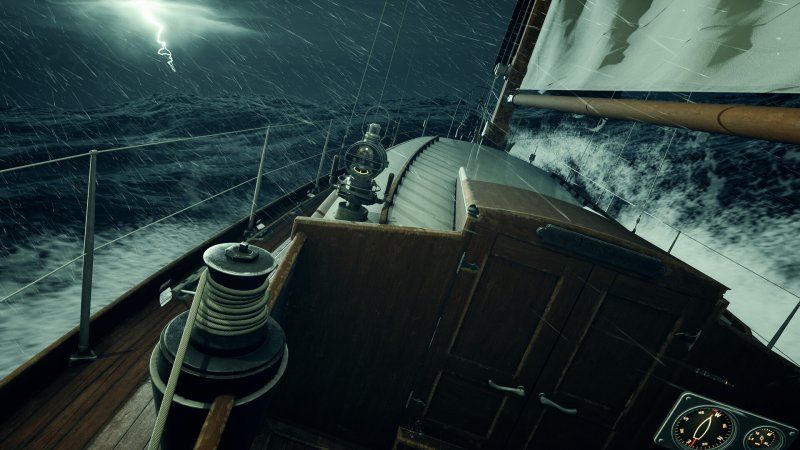
No long-winded tutorials, very little text on screenno one to hold my hand or give me excessive visual clues about what to do: I found myself immediately, immediately after a fade from black, at the helm of a sailboat, in the heart of a storm that to define as “biblical” would be an understatement. This section, which strongly recalls the fascinating scenes shown in the announcement trailer, acts as a calling card for the technical ambitions of the game.
It’s not just about passively watching the waves, being “lulled” by the crests and foam: the gameplay here requires active management, however basic. The sails must be configured to prevent them from being torn by the force of the wind, while maintaining course to avoid walls of water that threaten to engulf the small vessel.
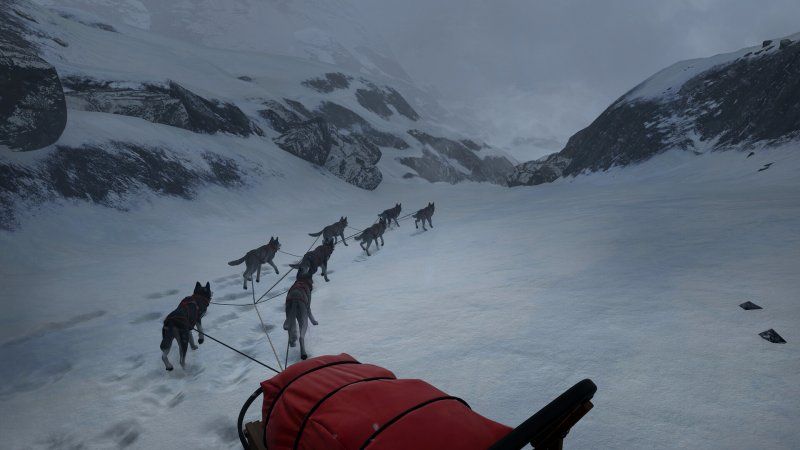
It is a sequence that betrays the team’s desire to offer realistic traversal mechanics even if they lack a classic game over given that even starvation leads, at most, to non-continuation. We also know that in the full game this will not be the only form of travel provided, but will alternate with exploration sections on dog sledsperfect for covering the vast Nordic-inspired snowy expanses that form the backdrop to the adventure.
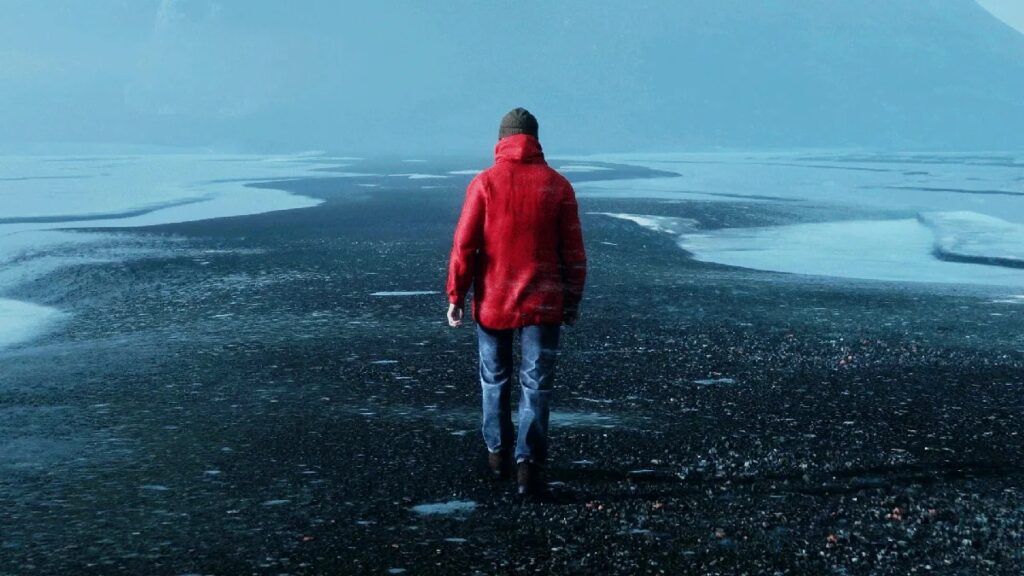
Will, the protagonist who gives his name to the project with a brilliant play on words – WILL: Follow the Light can be interpreted both as Will, the character, who must follow the light, and as the conjugation of the verb in the future, someone will follow the light – appears small and insignificant in the face of the fury of the elements, a recurring theme according to some statements from the development team, which emphasizes human frailty against a majestic nature that is completely indifferent to the fate of a single man.
The shadow of Firewatch and the lesson of Edith Finch
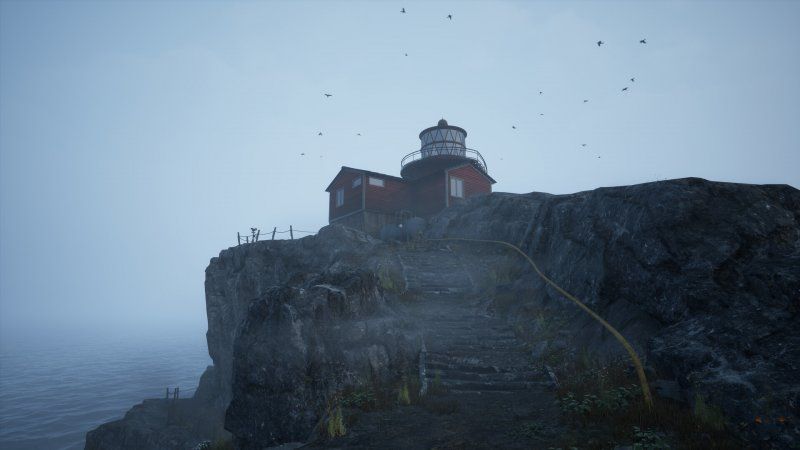
When it seems that nature is about to get the better of the unfortunate protagonist, the demo changes tone and takes us to dry landin what I interpreted as a prequel to the maritime events. It is here that the project’s inspirations emerge forcefully.
Will is not (yet) a castaway, but a man with a task: he must prepare for the arrival of an apocalyptic storm, probably the same one that will reach him while he is trying to escape by sea. At this stage, the game embraces its more reflective nature, creating an immediate parallel with that incredible masterpiece that was Campo Santo’s Firewatch that goes far beyond the use of the first-person view.
Like Henry in the watchtower, Will is also guided by the voice of a radio interlocutor. This narrative device not only serves to give very concrete objectives (“go to the lighthouse”, “check the generator”, do this and that), but is also the main vehicle to explore and convey the theme of shared loneliness both with the player and with those on the other side of the ether. There is a friendly voice that keeps us company and helps us, but the physical distance is unbridgeable and it also seems that it is about to be interrupted due to the bad weather, and every exchange of words only accentuates that sense of isolation that permeates the cliff where Will finds himself.
However, if the interaction with the radio can remind you of Firewatch, the integration between the gameplay and the story that unfolds seems to look timidly to another milestone of the genre: What Remains of Edith Finch. The few actions required of the player in this short demo – interacting with everyday objects and those related to Will’s work, to collect data and activate devices – are never ends in themselves or purely mechanical however basic they may be. In fact, each interaction serves to unravel the narrative skein and, although never reaching the elaboration of the memorable fish canning sequence in Edith Finch, it leaves us with the idea that this is precisely the design path that TomorrowHead wants to follow.
The scattered documents and fragmentary dialogues then made me sense a human drama which is well hidden under the ash, but a still very hot ash: the disappearance of the colleagues appears not to be accidental, and there is most likely a painful bond with Will’s wife and son, distant and almost impalpable, but never really put aside.
A flashback towards the end of the demo hits hard, suggesting that the real storm for the protagonist may be the one within, not the one chasing him at the helm of the sailboat.
Minimalist HUD and total immersion
One of the aspects I appreciated most in this playtest is the interface design.
TomorrowHead has in fact chosen the complex but satisfying path of subtraction: no compasses, no giant arrows to indicate the way, no invasive light indicators that we have been accustomed to with years of open world and old-fashioned adventures.
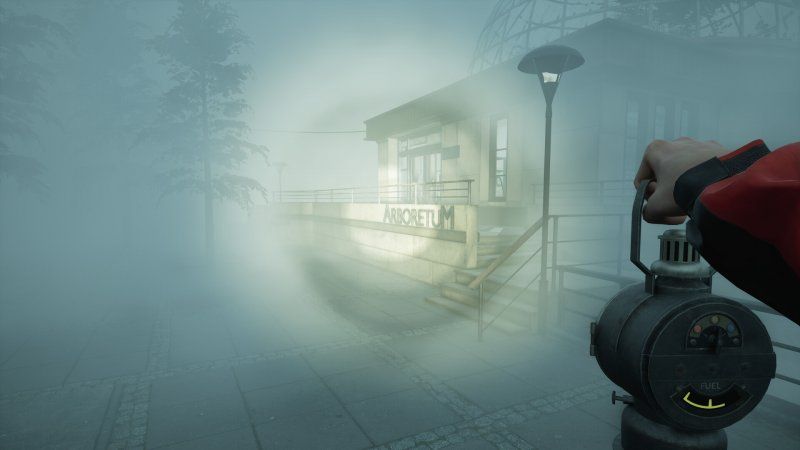
While there is a text HUD for objectives (which can be almost completely turned off), the game asks you to look around and observe the world. If you have to go to the lighthouse, you watch its light cut through the fog. If you need to search for an object in the house, you explore the rooms with the logic of a real person, not by following a dot on the mini-map.
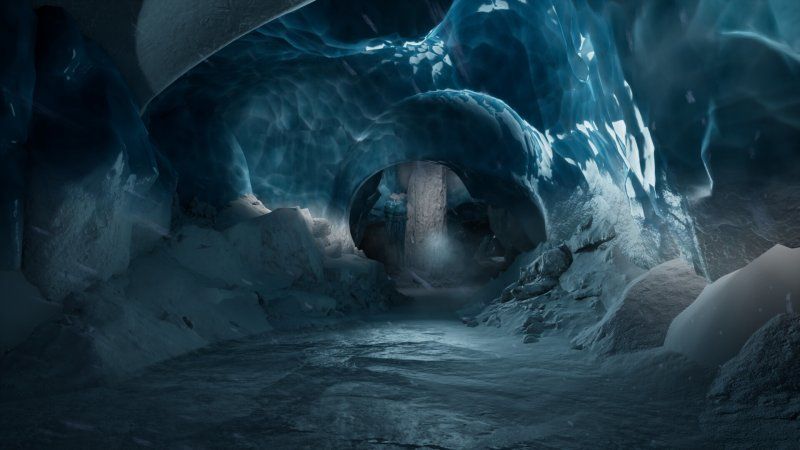
This choice, combined with an audio sector full of sound effects where the crackle of the rain and the whistle of the wind are constant, creates a very high level of immersion. And in this way the setting, clearly inspired by the landscapes of the Nordic countries, becomes a character itself: cold, desaturated, hostile, but also beautiful.
By the way I tested WILL: Follow the Light on my very high-end test PC (AMD Ryzen 7950X3D with NVIDIA GeForce RTX 5080), using a controller. The result was impeccable: solid frame rate and no crashes, despite this being an alpha build still in progress.
Unreal Engine 5 shows its muscles especially in the management of lighting and particles during storms, confirming that the team places a lot of emphasis on visual fidelity to bring the atmosphere of this project to the screen. The representation of the interiors and the small portion of the cliff where the second part of the demo is set is certainly more sparse, but it is really difficult to expect more from a small independent team.
As for the exit, the title is expected on PC, PlayStation 5 and Xbox Series. Although there is no precise release date, it is very likely that we will see it over the next year, probably within the first half of 2026.
WILL: Follow the Light presents itself as a slow and staid experience, which is not afraid to ask the player for patience and introspection. It doesn’t try to reinvent walking simulators, much less bring this genre to new heights of interactivity, but it still polishes this type of adventure to a shine by focusing on a fascinating nautical setting and a narrative that could delve deeply into family relationships. If you loved the solitude of Firewatch and Edith Finch’s environmental storytelling, TomorrowHead’s debut feature is one to keep an eye on.
CERTAINTIES
- Exceptional atmosphere and great involvement
- The technical sector, especially in the section on board the boat, is remarkable
- The narrative premises are intriguing
DOUBTS
- As per tradition of the genre, the pace is very slow and the gameplay is basic
- How repetitive will the exploration and boat phases be?
- The experience is inevitably very guided