
Of
Online editorial
The diplomatic tension between the two states that flared up over the Western Sahara issue and also resulted in the arrest of the writer Sansal explodes again
The National People’s Congress (i.e. Parliament) ofAlgeria has approved a law thanks to which the government will ask France for “full reparations and a formal apology for crimes committed during the colonial period.” It is an act that confirms the tensions – which have existed for two years now – between Algiers and Paris, which on several occasions have come to diplomatic confrontation.
The proposal was approved unanimously by the Algiers assembly: upon the outcome of the vote the deputies, who wore scarves with the colors of the national flagthey cheered in the chamber and shouted invectives against France. Brahim Boughali, president of the assembly defined the measure «a clear message both nationally and internationally: Algerian memory cannot be erased or negotiable.” A few hours later the French Foreign Ministry responded with an official note defining the initiative as “manifestly hostile”.
In the text approved by Parliament they are Listed are some examples of “crimes” accomplished during the colonial period (from 1830 to 1962): nuclear tests, executions without trial, widespread practice of torture, exploitation of natural resources. For all these facts, Paris is asked for “full and fair compensation for all the material and moral damage caused by French colonization: it is an inalienable right of the State and of the Algerian people”.
Despite the symbolic value of the law, the chances that France will accept the demands of the former colony are very slim. “From a legal point of view, this law does not have international scope and therefore cannot bind France,” Hosni Kitouni, a researcher in colonial history at the British University of Exeter, told the France Presse agency. However, he added, «it marks a turning point in historical relations with France».
Tensions between the two states began after 2024: a statement from Emmanuel made the case explode Macron who recognized the “Moroccan identity” of the territories of Western Saharaclaimed instead by Algiers. In the same year it had been the French-Algerian writer Boualem Sansal arrested, accused of “attacking national unity” precisely for having expressed opinions similar to those of Macron. Sentenced to five years in prison, Sansal was released last November for health reasons. The Algerian government had at the time issued a very harsh statement on the matter: ««The arrest of Boualem Sansal, the pseudo-intellectual venerated by the French far rightawakened indignation among professionals. The entire anti-Algerian and, incidentally, pro-Zionist elite of Paris rose up as one man.”
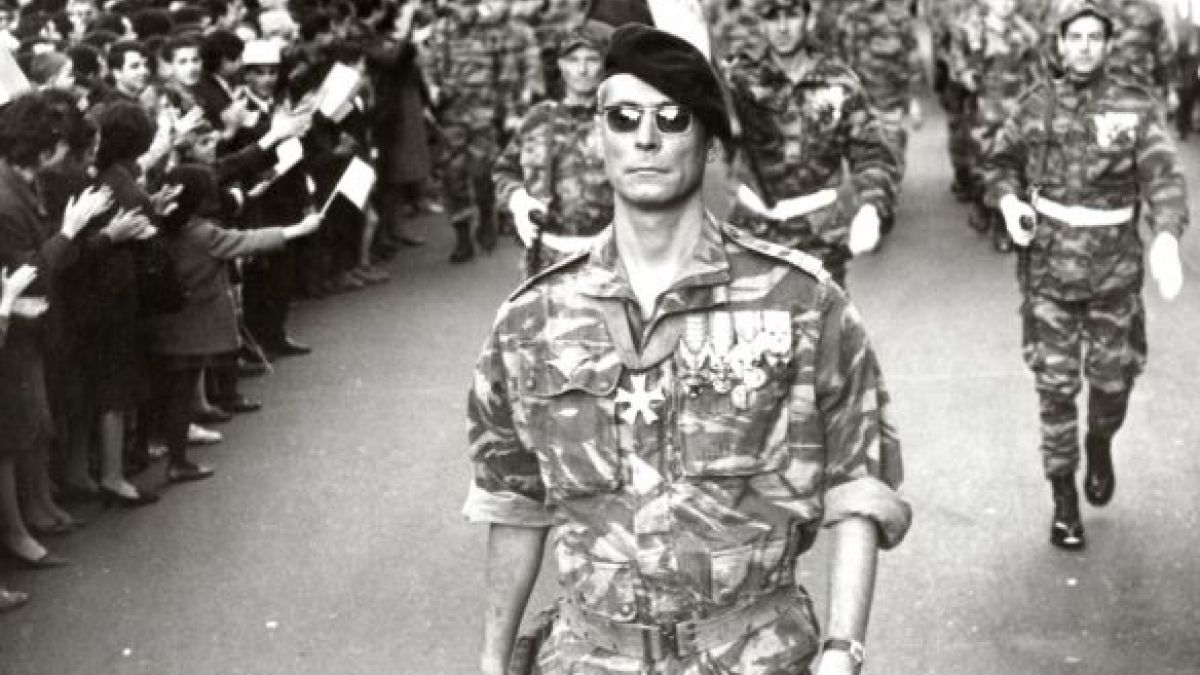
The French occupation of the Algerian “overseas territory” continued as mentioned for 132 years. Starting from the 50s of the last centuryin the wake of all the decolonization movements in Africa, the country had entered a extremely turbulent phase, punctuated by attacks and repression (also told in film by Gillo Pontecorvo «The Battle of Algiers». On January 8, 1961 a referendum granted by French president Charles De Gaulle it marked the end of French rule and the independence of Algeria. It became reality in July of the following year.
The Algerian War was a trauma that marked relations between the two states for a long time: over 140,000 fighters of the Algerian National Liberation Front and as many civilians died in the conflict. Over a million French people had to leave the country in 1962.
December 24, 2025 (changed December 24, 2025 | 11:55 pm)
© ALL RIGHTS RESERVED