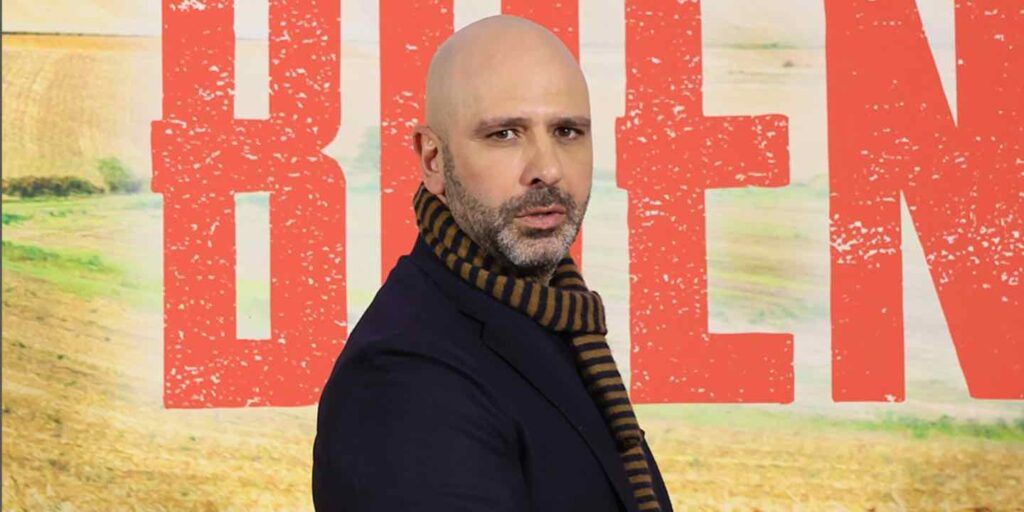
Love has no religion, no borders, no nation: it is not Catholic, nor Protestant. Love is when it becomes big, but big, big, big your heart. They seem like random words, but they represent the refrain of one of Checco Zalone’s most successful songs. The comic mask of Luca Mediciwhich puts satirical comedy songs into the films in which he is the protagonist, every time he returns to the cinema it is a hit.
Not only because his verses stick in your head like a perpetual commercial, but also because his films are a constant subject of discussion. The public discusses, divides, squabbles: Zalone yes, Zalone no, too vulgar, too nice, too political. Meanwhile, between one criticism and another, it fills the rooms. In the true sense of the word. As far as Italy is concerned, cinemas are once again filling up within a few days.
Buen Camino, 27 million gross in 4 days
The new film, directed by Gennaro Nunziante with protagonist Checco Zalonehe got 27 million in takings, exceeding 3 million admissions. In four days, with the release at Christmas, at the same time as Avatar. An incredible result that, perhaps, few imagined. Insiders, especially in terms of production, think differently. Otherwise they would not have decided to come out on December 25, 2025. So it means that they thought they would involve the public, perhaps not on a similar scale, but that Zalone if it were a guarantee, we certainly won’t find out now.
What we are discovering, however, is that Italian cinema has once again become the subject of debate. Before, even compared to the recent past, it was but in a lesser form. It was talked about and talked about, but always in moderation. Zalone, on the other hand, has nothing moderate about it: both in the repertoire of jokes, and in the ability to tell a part of Italy’s vices and virtues, but also and above all in the reactions of those who listen to him. There is no middle ground. Checco Zalone can be a curse or a delight, he never wanted to remain in the shadows and this, perhaps, is his first (and most important) mission accomplished.
Full rooms, empty consciences?
The other goal, which needs to be given dimension, is related to the established fact that cinemas are full and a latent dissent is growing over the fact that they are. Public opinion is divided: first they say that we need to go back to theaters and then, when the theaters fill up again, they are dissatisfied because Checco Zalone is filling them. As if, when a certain type of cinema wins, it is a defeat. Taking it for granted that Zalone’s lovers are excessively basic and with little artistic pretensions it is not only short-sighted, but also unfair.
The cinemas are full not because Zalone offers a light and carefree comedy, otherwise they would have been full also due to other types of work which concerned the same genre proposed by other colleagues of the Apulian interpreter. The cinemas are full because Zalone manages to make himself understood by everyone, or almost everyone. The confirmation of this unwritten law comes from a trend that few people still implement: when a film is released in cinemas, Italian or foreign, it is necessary stand outside the cinemas to watch who is there waiting for everything to begin.
An Italian film becomes an event again
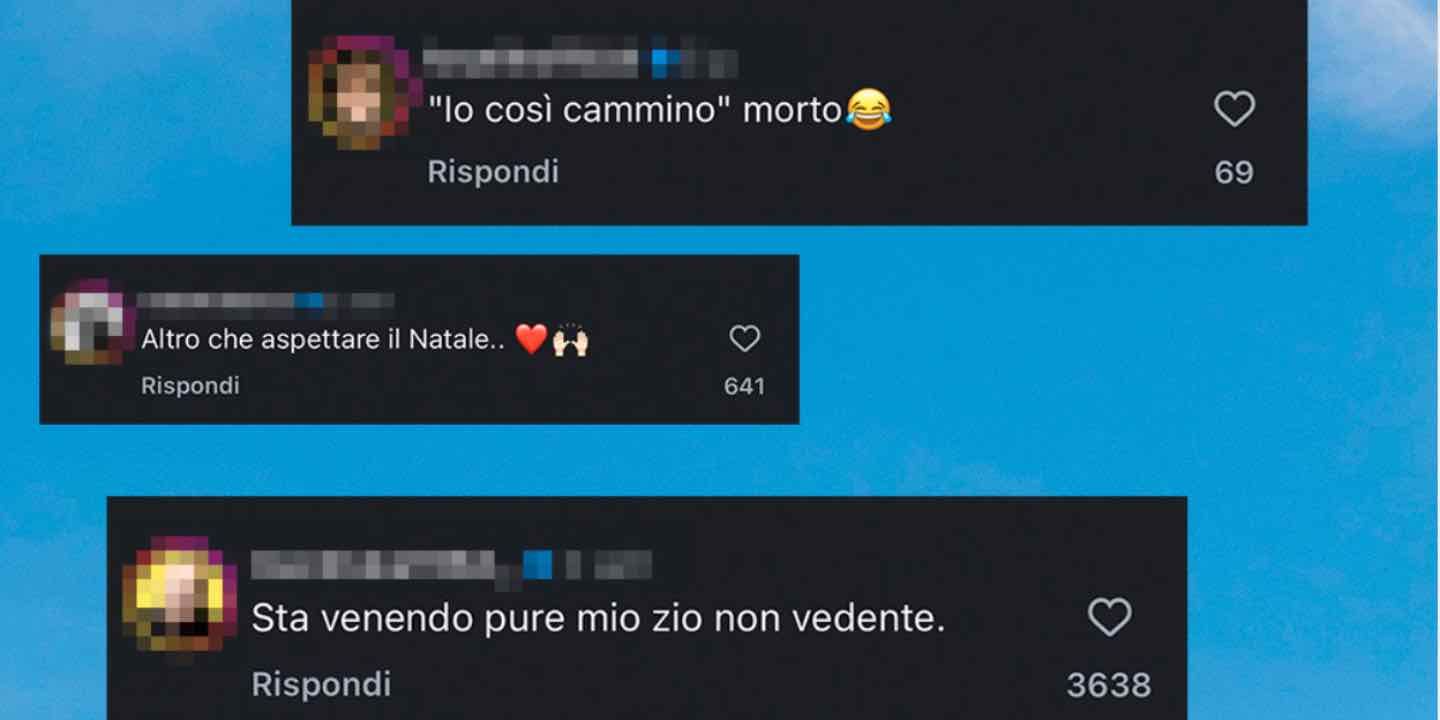
In these festive days, Zalone was released on December 25th in multiplexes throughout Italy, there is everyone outside the cinemas. In the true sense of the term: families, but also personalities of any class and social background. Some content creators have also tried to make videos with some questions. Everyone was there for a reason and that specific reason was and is called Checco Zalone.
If and when the father of the family, the cousin who never finds time and even that friend we never see get together to go to the cinema and they all come out saying the same thing – that is: “Zalone is beautiful, really beautiful, I had fun” – It matters little whether this is actually the case or whether it is an exaggeration due to the mass phenomenon. Only the result counts. Zalone won at the moment in which everyone, before wondering whether he really hit the mark with Buen Camino or not, they came back not only to see a film but to wait for it. Outside the room and then, concretely, every time the lights go out.
News that never ends
Cinema is about sharing and this aspect should always remain imprinted in the minds of those who aspire to do so and above all in the analyzes of those who must or should tell the story of cinema. Truffaut said that the seventh art is like news that never ends. Zalone is always in the news, in one sense or another. This is its true strength. Even those who try to say that the editing is less tight than the other works that made him famous, or else who timidly tries to point out that the jokes are less strong and scathing compared to the past or, finally, those who try to push the fact that Zalone never evolves in terms of the topics proposed, he must surrender to the evidence.
A reality that is not only made up of takings, which if desired make all the difference in the world, but also of people who have always had a distant or approximate relationship with cinema and thanks to Zalone and his works they are getting closer again. They return to that dimension which, perhaps, they have perceived for too long as elitist. Luca Medici, thanks to Checco Zalone, has brought the Italian public and cinema into communication. It means that, before really asking ourselves whether Zalone’s works are truly a curse or a delight for the seventh art, we must admit that they are constructive. In the true sense of the word, that is they build relationships and debate inside and outside the rooms.
Italian cinema is still alive
This counts, before a potentially valid direction, or an up-to-date editing and a stimulating plot. The work needs to capture people’s interest, in any way. Zalone managed to do this, even and above all when they said he would no longer be able to do it. Therefore, Checco Zalone is neither a curse nor a delight for our cinema. It is a reference that will not have caused a revolution in terms of style, content and values to be proposed, but he succeeded in the most difficult – contemporary – undertaking of all: to demonstrate that Italian cinema is still alive and it is still a place open to all and not an elitist island where a select few debate the right or wrong to be endured and supported before the credits roll.






 impossible to answer)