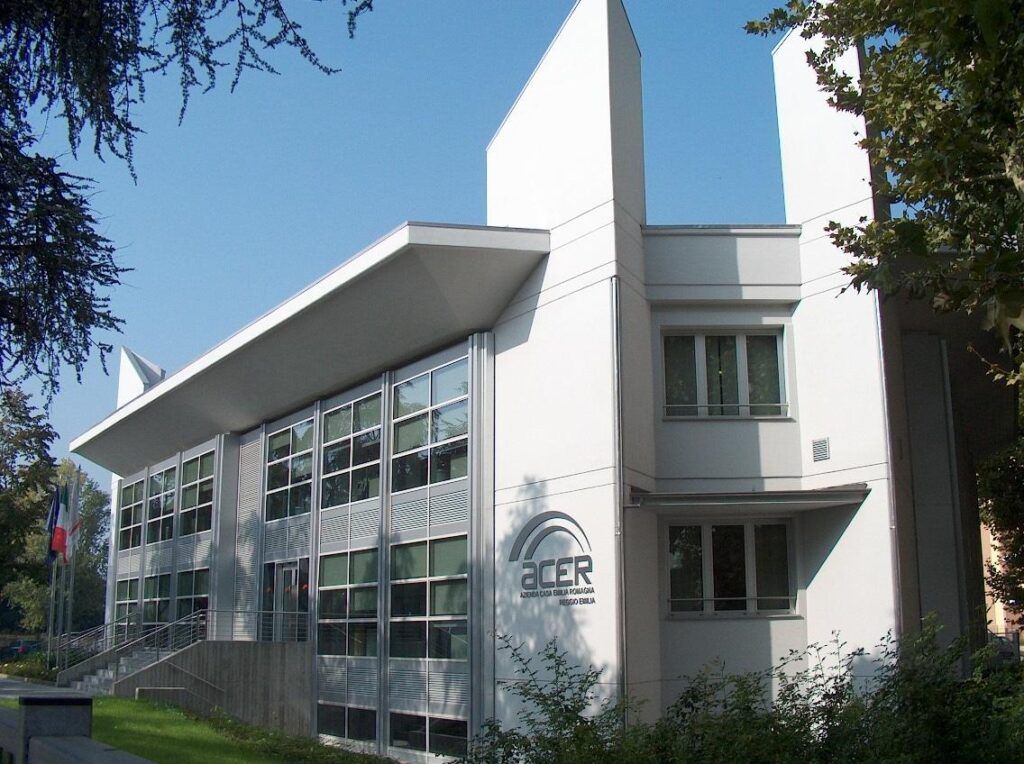
Reggio Emilia Incomes drying up, utility costs rising and a sword of Damocles hanging over the heads of many families in Reggio Emilia. It is since the Covid-19 pandemic that the situation seems to have worsened significantly: Acer announced this, bringing to the table one of the many difficult consequences of a crisis that affects the most fragile first and foremost. The company, on the occasion of the approval of the 2026 budget forecast, spoke clearly: one of the essential points for the coming year will be the review of the historical arrears. A “hole” that continues to expand, making worrying progress and which has reached 16 million euros.
Resources that will never be collected by the company: for this reason Acer has “set aside” around 10 million with a write-down fund, which however will not be sufficient. Once all the recovery procedures have been completed, a “cleaning” operation of uncollected and irrecoverable credits will therefore be necessary, often the result of an objective economic crisis of the tenant families, aggravated by the surge in utility costs from 2022. The resolution of the problem of historical arrears is certainly one of the salient points of the conference of entitieswhich met yesterday at Palazzo Allende under the presidency of the mayor of Cavriago Francesca Bedogni. A meeting that ended with the unanimous green light for Acer Reggio Emilia’s 2026 budget forecast, approving the allocation of resources exceeding 10 million euros. Having closed at breakeven and with an increase of one million euros compared to the previous year, the budget outlines a strategy centered on social cohesion and the evolution of services. 2026, with the launch of the 300 million euro regional program intended for the recovery of vacant assets, will be a decidedly important year.
The forecast budget presented by the Casa Reggiana company also allocates 1.5 million euros for ordinary maintenance of public properties. The current socio-economic context presents a scenario in which not only families and vulnerable individuals are hit hard, but also the categories essential to our community – healthcare workers, educators, drivers, law enforcement -, creating the paradox according to which work no longer guarantees the right to housing. Faced with this emergency, Acer acts as a facilitator and guarantor. To support the intersection between demand and supply of rent at an agreed rent, the first line of intervention concerns the so-called Housing Pact, the facilitation tool prepared by the Emilia-Romagna Region which currently affects 251 private apartments of which Acer is the managing body. The Agreement offers concrete guarantees to cover the typical risks of leasing. The regional fund covers any arrears, provides funds dedicated to small maintenance interventions and for technical-administrative activities. Furthermore, it presents concrete advantages for tenants who will not be required to pay a security deposit and will have the possibility of accessing non-repayable contributions for rent reduction. In substantial continuity with previous years, the plan for renewals of the agreements: in 2026 there will be 8 for the management of public housing, including the one with the Municipality of Reggio, and the same number in the following year.
The Acer Board of Directors shared the commitment to a broad exploration of the new frontiers of living capable of promoting advanced housing formulas and responding to the new demographic and relational needs of the community. With a view to simplification and closeness to the citizen, the priority objective of activating is inserted a one-stop shop for living, which will aggregate into a single access point services relating to public housing, social housing and rental agencies, overcoming the current fragmentation. Thanks to this tool, citizens will be able to orient themselves more easily, finding all the necessary information and services in one place. No less relevant will be the legality front, where close coordination with local police and law enforcement agencies will be able to guarantee an effective fight against illegal occupations and greater safety in the neighborhoods. The operational model involves the involvement of institutions, private individuals, the third sector and citizens, structured through dedicated consultation tables.
«Citizens’ difficulties in accessing a dignified home at sustainable costs is now the reflection of a system of deep-rooted inequalities – they conclude the president of the conference of institutions, Francesca Bedogni and the president of Acer Federico Amico –. We need new perspectives and new solutions that are only possible by building strong institutional alliances and rebuilding widespread social trust. For this reason, 2026 will not just be a year of ordinary management, but the year in which new tools will materialize to address the urgencies of living.” l © ALL RIGHTS RESERVED