
Home is a place that changes as we change: right when it protects us, absence when it is denied, border when it decides who can stay. In this edition of Photo/Industry at the MAST Foundation of Bologna, photography looks at the house as the first space in which the right to live is exercised – or lost.
The house as a boundary and displacement. Photo/Industry in Bologna
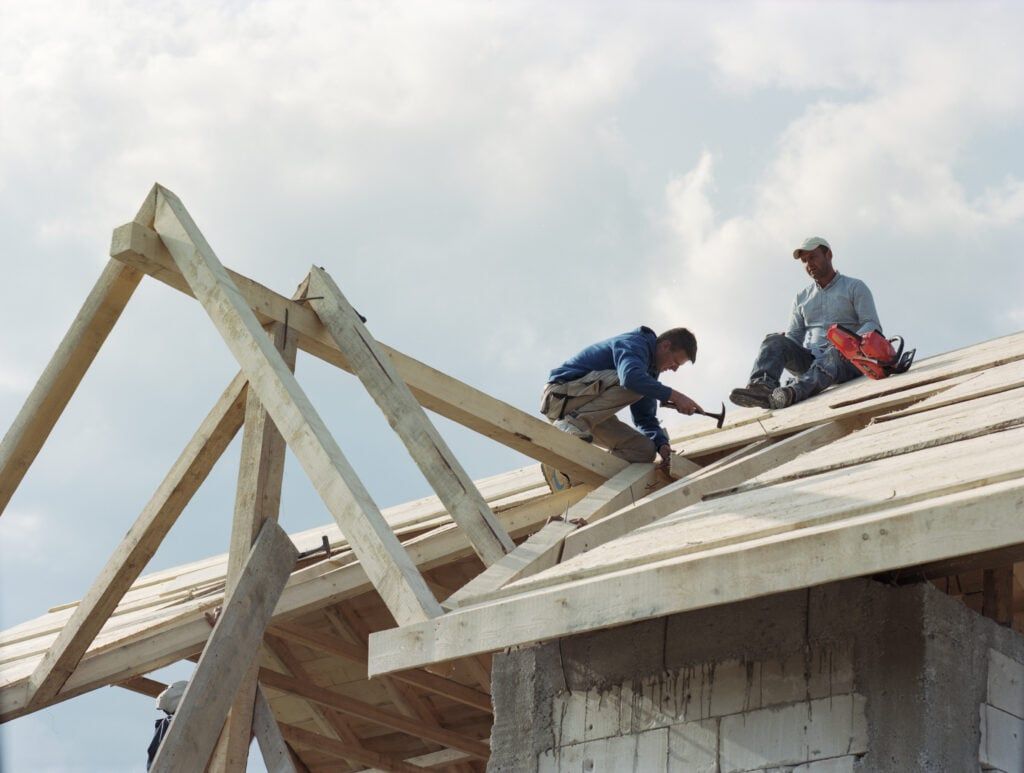
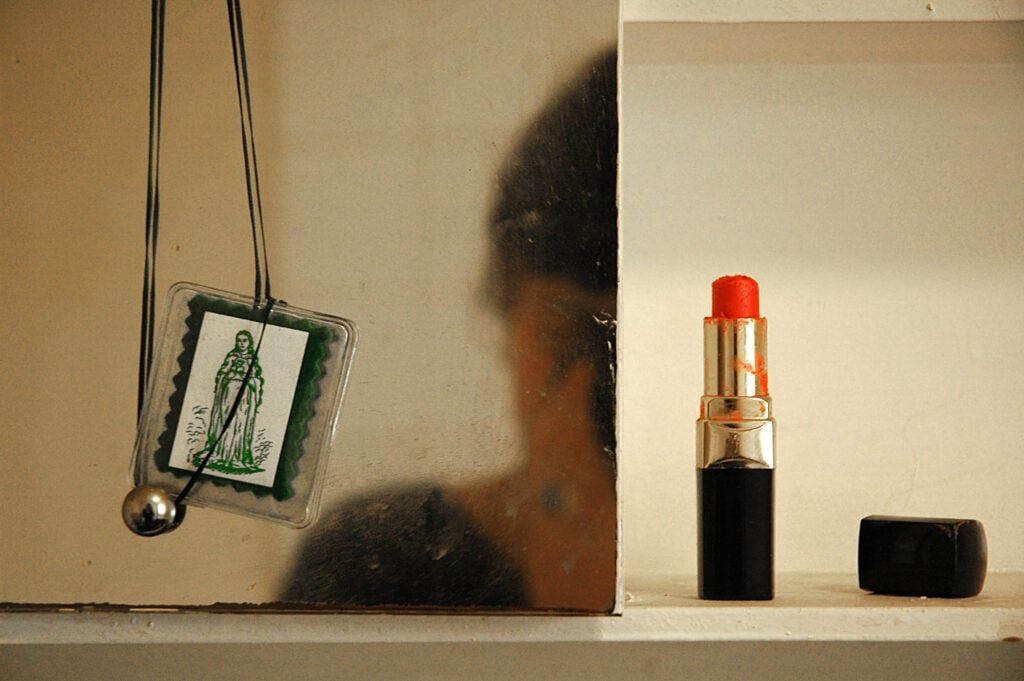
Between Romania and Moldova, the Prut River becomes a threshold of the European Union. The houses photographed by Matei Bejenaru they resist the border as a threat of instability: staying is already a political gesture. Distance can arise even where there is a house. Alejandro Cartagena shows suburbs that transform property into isolation: “The dream of a home as security no longer convinces when the city has no space for you“. The address does not guarantee a livable life. For Vuyo Bakers living is a journey without landing: “I only have seven photographs of me as a child”. In Popihuisethe house is a necessary invention, a way to retain what escapes: “She was always next. Never the one I was in”.
The article continues below
The home as work and care on display at MAST
Within the home, work is carried out that supports everything else. Kelly O’Brien starts from a female genealogy to tell of a continuous struggle: daily care and activities that support common living without leaving a trace. The house becomes a hidden economic value.
Per Sisto SistiOn the other hand, the workers’ house is the other side of the factory: the shift never really ends, it just changes rooms. Intimacy has the rhythm of industrial timetables.
And then there are the houses that try to preserve an identity. In Fourth house, Moira Ricci returns to Maremma to mend his story: “A house is a piece of identity: if you lose it, you lose a part of youThe image becomes the form of a memory that does not want to disappear.
The house as transformation and right to exist
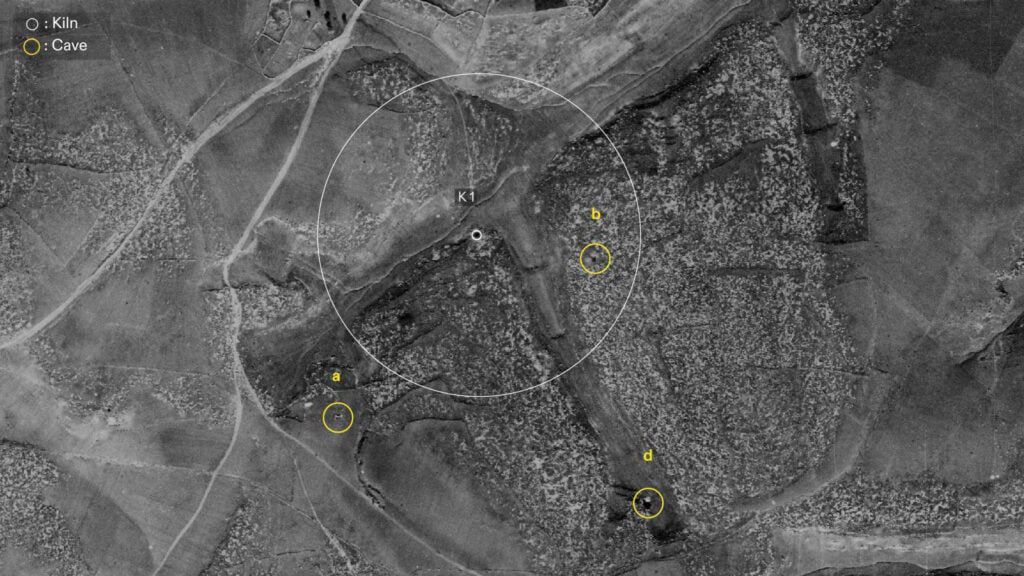
Michael Olsson photographs modernist homes that seem to react to human presence: “They live with those who cross them and with those who never returnThe house is not just a project, it changes with the life it contains. Ursula Schulz-Dornburg he works on the limit of disappearance: minimal spaces, poor materials, places that photography holds just before oblivion. Living also means leaving a mark. Julia Gaisbacher look at the houses that arise from comparison: in a neighborhood of Graz “It’s not just the house that changes people, it’s the people who change the house“The community is not a side dish, it is the basis of living. In Looking for Palestine, Forensic Architecture rebuilds villages erased from the maps – from the Strip Gaza to the areas of the West Bank occupied by the Israelis — to restore visibility to places where “housing is the first right you try to take away“. Living here means reclaiming existence itself. The house is never just a private good. It is a political balance between what protects us and what exposes us. The ten exhibitions of the 2025 edition of Foto/Industria demonstrate that having a roof is not enough to have a home. You have to be recognized, and be able to stay.
Deborah Vitulano
Artribune is also on Whatsapp. Simply click here to subscribe to the channel and always be updated