
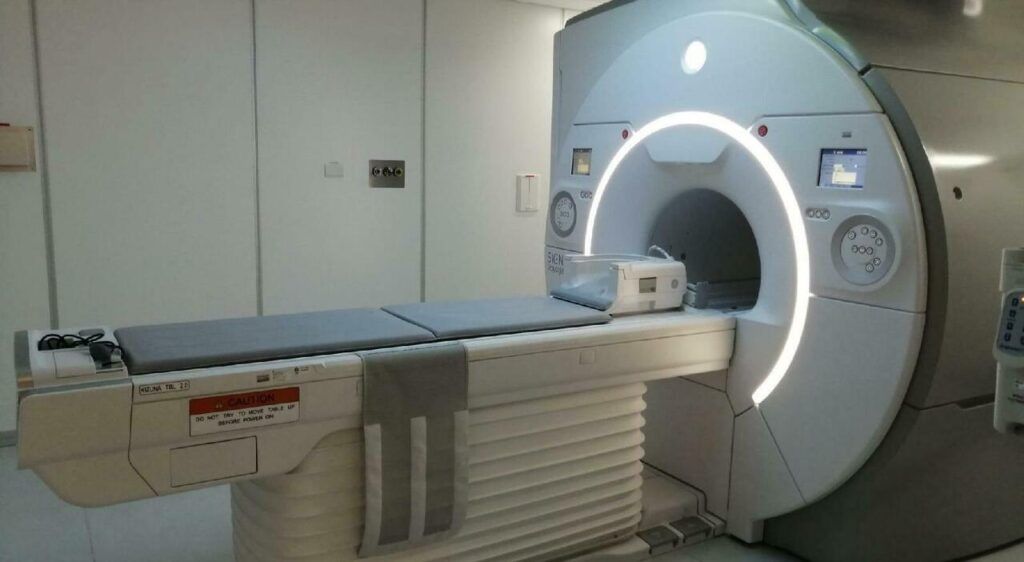
Eight thousand healthy people will be enrolled in Spain for one of the largest clinical trials ever launched against atherosclerosis, the disease that causes heart attacks and strokes. The goal is to identify cardiovascular risk when it is still invisible and intervene before it becomes fatal. Leading the project is the National Center for Cardiovascular Research of Madridone of the world’s leading centers for heart research. Cardiologists Borja Ibáñez and Valentín Fuster are looking for apparently healthy men and women between the ages of 18 and 69 without a diagnosis of cardiovascular disease. Ordinary people, often unaware of what happens inside their arteries.
THE DISEASE
Atherosclerosis is indeed a subtle disease. It doesn’t hurt, it doesn’t give obvious symptoms, but over time it fills the arteries with fat and cholesterol, narrowing them to the point of causing sudden heart attacks and strokes. It is the leading cause of death in the world: it kills around 20 million people every year. Previous studies by the Cnic (Centro Nacional de Investigaciones Cardiovasculares) speak clearly. Analyzing over 4 thousand Banco Santander employees, six out of ten people, despite feeling perfectly healthy, already showed initial signs of the disease. A fact that overturns the widespread belief that the problem only concerns the elderly or already diagnosed patients.
The new study, called React, takes prevention to a new level. Volunteers undergo free checks that would normally cost thousands of euros: three-dimensional ultrasound scans of the carotid and femoral arteries, electrocardiogram, blood and urine tests, fundus images and, above all, a sophisticated angio-CT to visualize the inside of the coronary arteries.
STUDY AND NEW TECHNOLOGIES
It is precisely this technology that makes the difference. Computed tomography angiography allows you to detect tiny plaques that are invisible with normal tests. Even a few millimeters of accumulation can be a sign of high future risk. The challenge of the study is radical: intervene immediately, even in the absence of symptoms. Those with early signs of atherosclerosis are followed with an “aggressive” approach: diet, physical activity, weight loss and, if necessary, drugs such as statins, which are now cheap and widely used. According to Dr. Ibáñez, this strategy can reverse the natural history of the disease. In previous studies, the plaques disappeared spontaneously in only 8% of cases. With early and targeted intervention, the goal is to reach 80%. Don’t slow down the disease, but make it regress.
INVESTMENTS AND THE PROJECT
The investment is massive. The first phase of the study is financed with 23 million euros by the Novo Nordisk Foundation and involves 8 thousand volunteers in Spain and another 8 thousand in Denmark. The second phase, between 2027 and 2032, will cost around 40 million euros and will compare standard prevention with the intensive one proposed by the Cnic. In Spain, over 5,300 volunteers have already signed up, but now the research aims to reach those who are usually left out of clinical trials: inhabitants of rural areas, working-class neighborhoods, more vulnerable social groups. Because atherosclerosis affects everyone, but not everyone has the same access to prevention.
The project also looks at the future of public health. The idea is simple and revolutionary: cardiovascular checks from a young age, rapid and portable ultrasound scans for those who exceed certain risk thresholds, short but early therapies. According to researchers, five years of treatment in your 20s could be as valuable as 35 years started too late. Meanwhile, the global numbers are worrying. Since 1990, cases of cardiovascular diseases have doubled, going from 311 to 626 million, driven by a sedentary lifestyle and junk food. «Treating well is no longer enough», warns xardiologist Ibáñez. “We are failing in prevention.” Hence the appeal also to politics: higher taxes on ultra-processed foods, incentives for fruit, vegetables and olive oil. Because, cardiologists explain, saving millions of lives does not just come from laboratories, but from everyone’s daily choices.
© ALL RIGHTS RESERVED
Every Thursday updates on Health and Wellbeing
Sign up and receive news via email