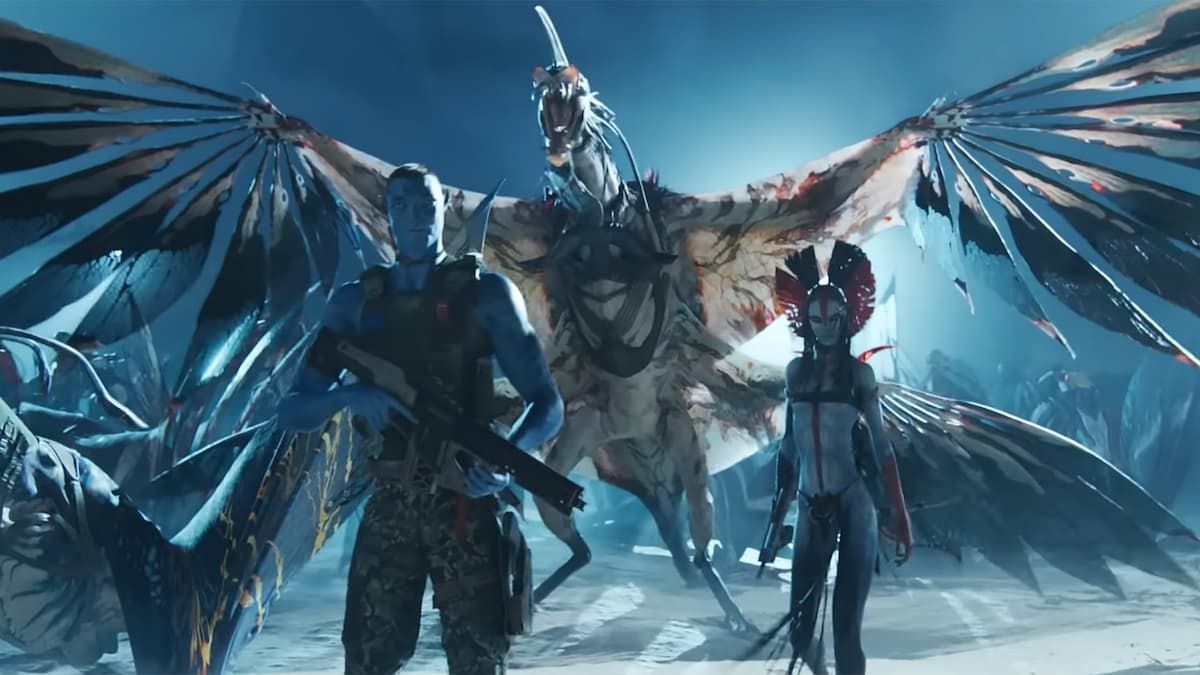

You’ve got new eyes, colonel..
There’s something about Interstellar (2014) that I’ve always found hard to stomach. It is the fact that an immense, toning science fiction epic, which in three hours quoted the entire adventurous tradition of the great sea tale (from Homer to Hemingway) ended up closing itself in a little room between father and daughter. That at the bottom of all the mysteries of the cosmos there were the fathers, taming with typical pavidità passed the sublime and terror of the Journey. Unable to support the weight of the “high seas”, a self-declared adventurous film could find nothing better to do than turn it into Family.
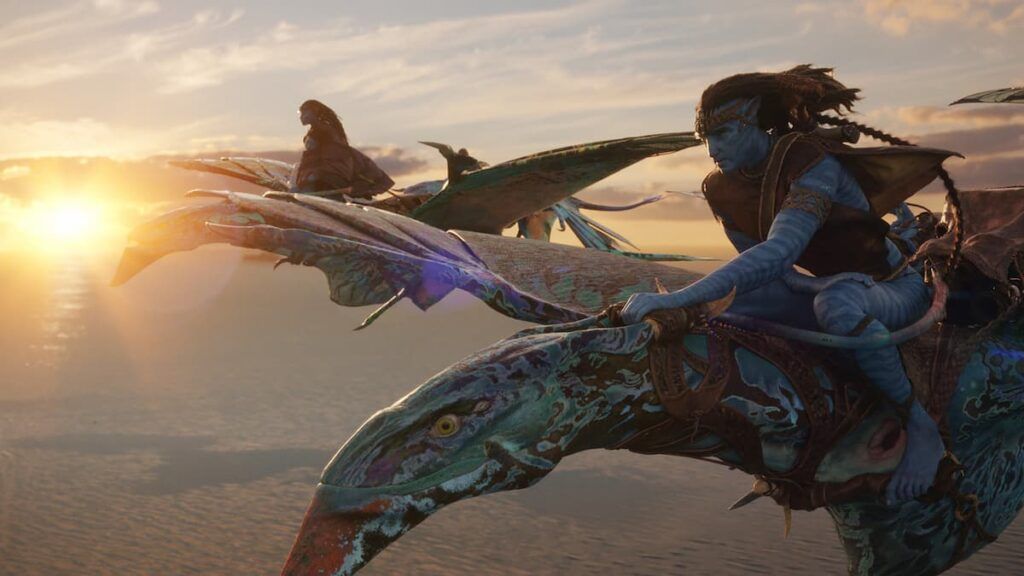
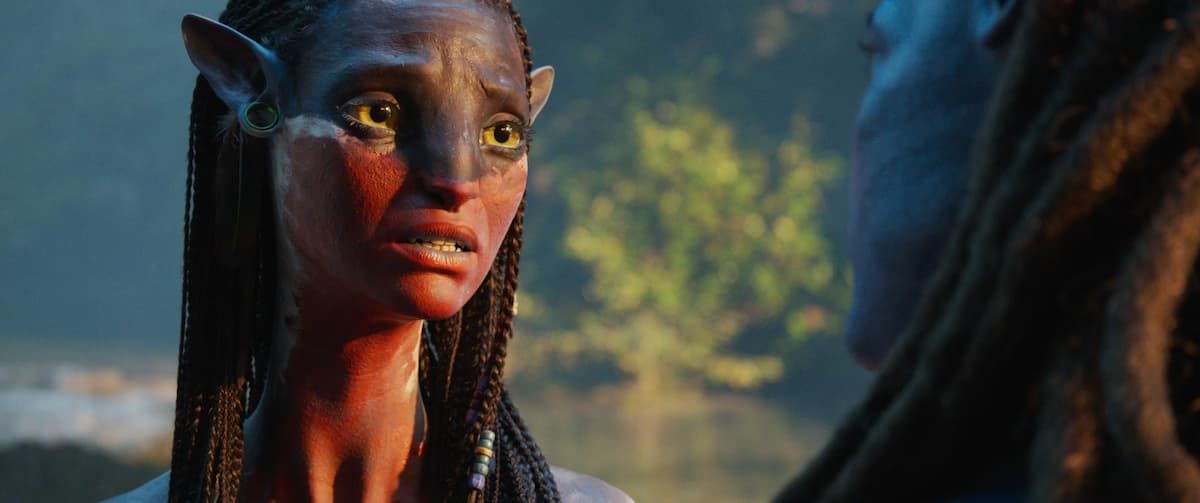
Just three years after the astonishing second chapter, Avatar – Fire and Ashes cannot perform a miracle. The visual bar – very high, unattainable – is more or less that of The Way of Water (2022). Net of character design memorable (Oona Chaplin) and aerial battles that no one on earth would be able to conceive, this time James Cameron’s step forward was to by force be conceptual. And the result stands out next to all its technological revolutions.
Having to summarize it, it is about the unusual radicality with which the third Avatar forces the balance between “familiar” and “new” that is at the heart of his cinema. We know: Cameron’s stature like popular avant-garde comes from his ability to anchor the most incredible visual bets on the humanist and simplified pillar of family melodrama. Alien battles, morphing submarines and metallics, dragon chases and shipwrecks, they find the link neural with the spectator in putative mothers and fathers, sensitive machines, loves that defy the ice of time.
So does Hollywood (innovation and preservation). So does the blockbuster (big show, simple story). So does Cameron (again). Fire and ash setting the incipit as a very American family dramawhere the conflicts – almost as if to balance the perceptive shock of the image – are prosaic and relatable: disappointed fathers, rebellious sons, grieving mothers.
It’s the usual triumph of narrative functionality – 3 out of 4 films highest grosses ever don’t happen by chance; but it is also much more. In fact, this time more than in the past, Cameronian dualism shows itself capable of describing a culture and constructing alternative hypotheses. Yes, because Familiar and New are not only the foundations of American cinema. They are the coordinates of cultural identity that that cinema nourishes, and on whose myths Fire and ash carries out an impressive operation of synthesis and ideological overturning.
It is the dualism between the Familiar and the Alien of science fiction; that between Civilization and Frontier, White and Wild, of the western; the same one that continues in the jungles of war cinemaa truly great term of comparison for Avatars, which after the quasi-Vietnam of the first chapter winked at the crystalline mysticism of The Thin Red Line (1998). And where that cinema erects Civilization on the imperialist oppression of the Other, the anti-imperialism of Avatars translates into an identity attitude that allows itself to be pervaded – or “colonize”as they say in Fire and ash.
Delicate matter. The risk of going native (topos of colonial literature in which a white man lives like the “savages”) is around the corner. Cameron rides it and wins the bet, building film after film the most radical tale of cultural metamorphosis ever produced in Hollywood. But behind the obvious anti-racist/war-mongering implications, what interests him is theindefinability. Four and five fingers, natural and hybrid children, native and “skinned”, clones and Immaculate conceptions. The Sully family is a mutagenic mass of human and posthuman possibilities, which from the stereotyped traits of that family drama it opens up to infinite scenarios of renewal.
That this happens starting with the family is the most audacious and counterintuitive thing you could ask for in a story mainstreamwhere the institution almost always acts as a reactionary pivot, centripetal with respect to innovative forces. It’s free reign at thrill of identity which pervades the Cameronian families, stubbornly mutant and technological (Ripley and Bishop, John and the Terminator), institutions that are not static but proactive, if not exactly revolutionary (the Resistance, the interclassism of an Irish dance in the middle of the Atlantic).
Avatar posed the problem. The Way of Water – with Disney’s approval – put the family at the centre. Fire and ash draws conclusionsmultiplying family units and making them correspond to as many impulses for renewal. Spider embraces his blood enemies like parents. Quaritch slips into darkness like Kurtz and by courting the Horror frees himself from his protocol. Lo’ak (in a film that is above all a great meditation on anger: on its dead ends and its right civil expressions) defends a rediscovered brother and leads a pacifist people to battle.
And the cinema? It is now almost rhetorical to insist on the meta aspects of Avatar. The theater, the takings, the defense of the medium (especially today that Netflix…). All true. But things what are we defending? The frightened Nolan would say (indeed he will say): “an idea of narration that has accompanied us since ancient times, that lives in our classics and it allows us to always find Ithaca again, touch homeland, find refuge from the terrifying chaos of the universe”. The arrogant, adventurous, Melvillian Cameron says: “the ultimate hallucinogenic ritual of modern civilization, ‘popular opium’ capable of uniting us in the collective dream of change”. Not bad for Pocahontas with the Smurfs.