
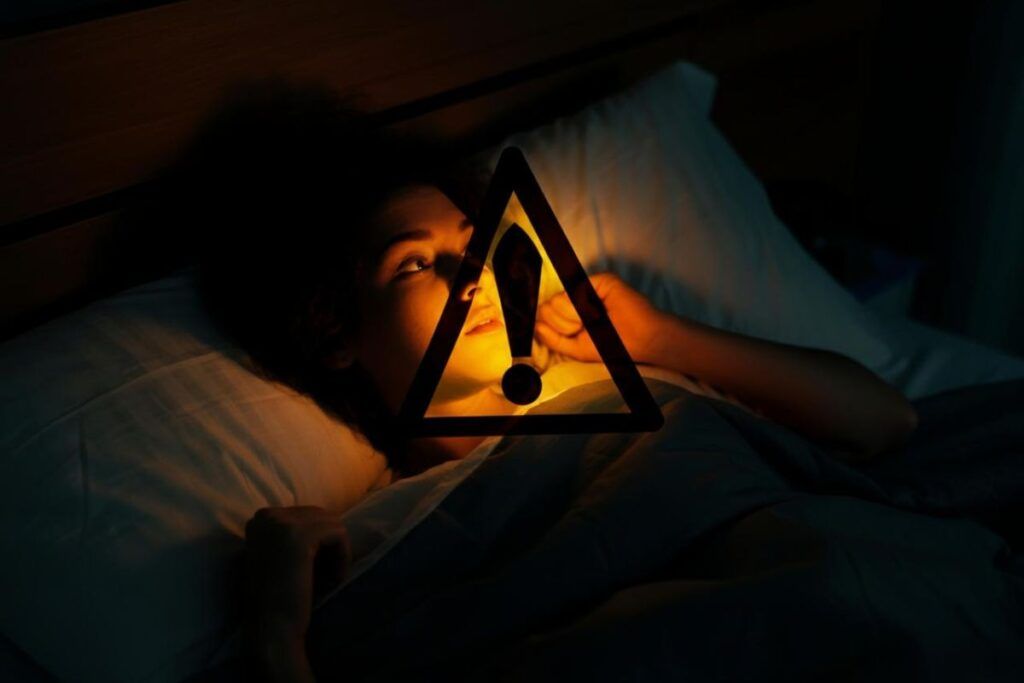
A US study reveals that lack of sleep is among the main risk factors for early mortality, surpassing diabetes and inactivity
Recent extensive US research confirms that sleep less than seven hours a night it can significantly reduce life expectancy, a risk comparable to that associated with smoking.
Lo studio, which collected data between 2019 and 2025 in over 3,000 counties in the United States, highlighted how sleep duration is a crucial indicator of longevity, ranking immediately after smoking and obesity and ahead of diabetes and physical inactivity.
The link between sleep duration and life expectancy
The researchers analyzed residents’ self-reported sleep duration through telephone interviewscomparing these data with the average life expectancy of the respective areas. Where the average sleep fell below seven hours, there was a shorter average lifespan. This effect has been shown to be independent of factors such as residence or socioeconomic status. Despite some methodological limitations – including the absence of objective measurements and the failure to distinguish between seven and more than seven hours of sleep, as well as the non-consideration of conditions such as sleep apnea or psychiatric disorders – the signal is clear: improving the quality and quantity of rest is a viable path to increasing longevity.
Insufficient sleepIndeed, should not be underestimated as a simple habit, but considered a real risk factor for numerous chronic diseases. This is confirmed by the neurologist Luigi Ferini-Strambi, head of the Sleep Medicine Center at the San Raffaele hospital in Milan, who underlines how regular sleep helps reduce the risk of heart attacks, diabetes, cancer and dementia.
In Italia, it is estimated that around a third of the population sleeps less than seven hours a night, raising the importance of spreading awareness about the importance of adequate sleep.
The science of sleep has been enriched in recent decades thanks to chronobiology, discipline that received the Nobel in 2017 for the study of clock genes, responsible for the regulation of circadian rhythms. Our “master clock” is located in the suprachiasmatic nucleus, a neuronal structure in the brain that receives light signals from the retina and regulates the production of key hormones such as melatonin, which induces sleep.
Respecting these natural rhythms is essential for health: eating too late, exposing yourself to artificial lights in the evening or having irregular sleep times can cause the so-called chronodisruptiona shift in the internal clock that increases the risk of obesity, diabetes and cardiovascular disease.
Sleep is not alone essential for daily well-being, but it represents a real barrier against neurodegenerative diseases. During deep sleep, the brain eliminates beta-amyloid proteins, the same ones that form the plaques typical of Alzheimer’s. Studies conducted on animals show that night rest accelerates this brain “cleaning” process, while a night of deprivation can increase the concentration of these proteins by up to 5%.