Listen to the audio version of the article
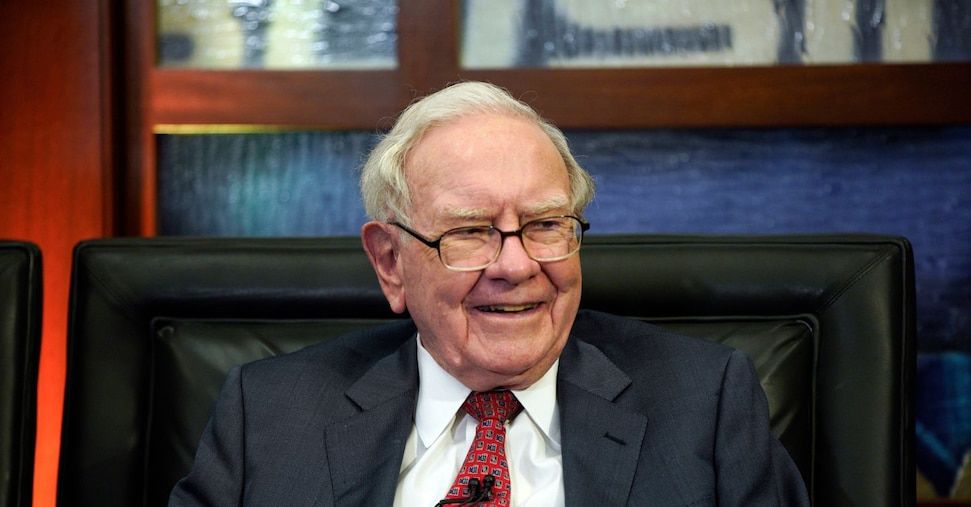
For sixty years Warren Buffett was much more than a CEO: he was the face, the voice and the very philosophy of Berkshire Hathaway. Since 1965, when he took control of a small textile company in decline, Buffett has built one of the most powerful conglomerates in global capitalism, transforming an initial investment into a machine capable of generating value with a consistency never seen on Wall Street. Now, at 95, he takes the step he had been preparing for decades: he hands over the operational reins of the company.
That’s right, this financial year 2026 opens with a handover that cannot fail to make the news. What Buffett stood for, his intuitions, his flair. A handover that marks the end of an era, but not a break. From today, January 1, 2026, the role of CEO passes into the hands of Greg Abel, a manager who grew up within the group and has long been indicated as the designated successor. Abel joined Berkshire in 2000 with the acquisition of MidAmerican Energy, now Berkshire Hathaway Energy, and over the years became the architect of management of the conglomerate’s non-insurance businesses.
It must be said that Buffett does not really leave the scene. He will remain Chairman of the Board of Directors and will continue to visit the Omaha offices every day, maintaining an active support and oversight role. Alongside Abel, vice-president Ajit Jain will continue to lead the insurance activities, the historical pillar of the group, while the managerial structure built over the years will remain substantially unchanged.
But here are some numbers. Since 1965, when Buffett took control of the company, those who have held Berkshire shares have achieved a total return of approximately 6,100,000%. Over the same time frame, the S&P 500 has delivered a return of approximately 46,000%, including dividends. It’s true that the index did better in 2025 and over the past decade, but Berkshire has never closed a year at a loss. A record that speaks of the continuity and discipline of an investment model that has become a school for finance enthusiasts.
Today the conglomerate is worth 1,200 billion and boasts an extremely diversified industrial portfolio that includes the insurer Geico, railway activities, dozens of manufacturing and energy companies and historic consumer brands such as Dairy Queen, Fruit of the Loom and See’s Candies. At the end of September Berkshire had $381.7 billion in cash and cash equivalents, enormous liquidity that Buffett has struggled to use in recent years due to the scarcity of acquisitions deemed sufficiently interesting.